Tocantins Announces Five Public Service Exams with Salaries Up to R$17,700
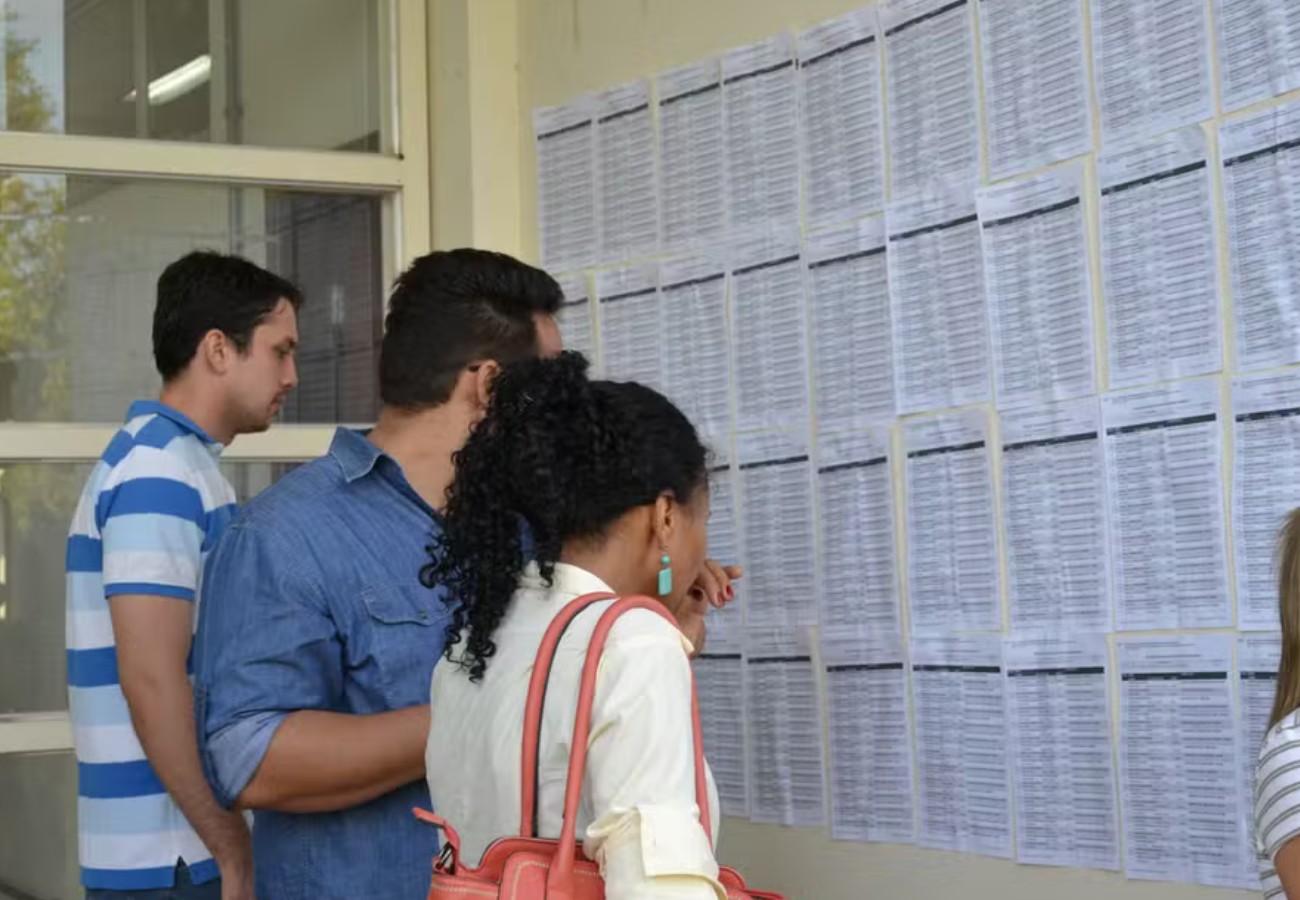
The state of Tocantins in Brazil is offering significant public service employment opportunities through five open competitive examinations. These selections are being conducted by the State Health Secretariat (SES-TO), the Municipality of Arraias, and the Municipal Chambers of Peixe, Nova Olinda, and Araguatins. The positions cater to various educational levels, from fundamental to superior, with salaries reaching up to R$17,727.63.
The SES-TO examination is the largest, offering 5,214 immediate positions and reserve roles, with salaries ranging from R$1,735.55 to R$17,727.63. The application process is managed by the Fundação Getúlio Vargas (FGV), with fees of R$100 for mid-level and R$150 for superior-level positions. Exams will be held on November 1, 2026, in multiple cities across the state, covering subjects like Portuguese, logic, state history and geography, SUS legislation, and specific knowledge.
Other opportunities include the Municipality of Arraias with 35 vacancies (fundamental to superior levels, salaries R$1,621 to R$4,819.96), the Municipal Chamber of Peixe with 31 vacancies (fundamental and mid-level, R$1,702.33 to R$1,960.42), the Municipal Chamber of Nova Olinda with 13 vacancies (fundamental and mid-level, R$1,621 to R$3,241.07), and the Municipal Chamber of Araguatins with 21 vacancies (immediate and reserve, with unspecified salary ranges in the provided text). Each of these selections has its own organizing body, application fees, and examination dates set for September and November 2026.
The Tocantins government's expansion of public service roles through multiple competitive examinations reflects a strategic approach to bolstering its administrative and healthcare infrastructure. The significant number of vacancies, particularly within the State Health Secretariat, indicates a response to potential service gaps or a planned enhancement of public health delivery. The varied salary ranges and educational requirements suggest an effort to attract a diverse pool of talent, from essential support staff to highly specialized medical professionals. The decentralized nature of some recruitments, involving municipal chambers and local administrations, points to localized needs and governance structures. As these positions are filled, the long-term impact will depend on effective integration into existing systems, ongoing professional development, and the ability of these new public servants to address the state's evolving socio-economic and healthcare challenges over the next decade.
AI-generated to prompt reflection — not editorial opinion, not advice, not a statement of fact. How this works.