Tocantins Beach Season: Safety Warnings Issued After Child Electrocution and Drownings
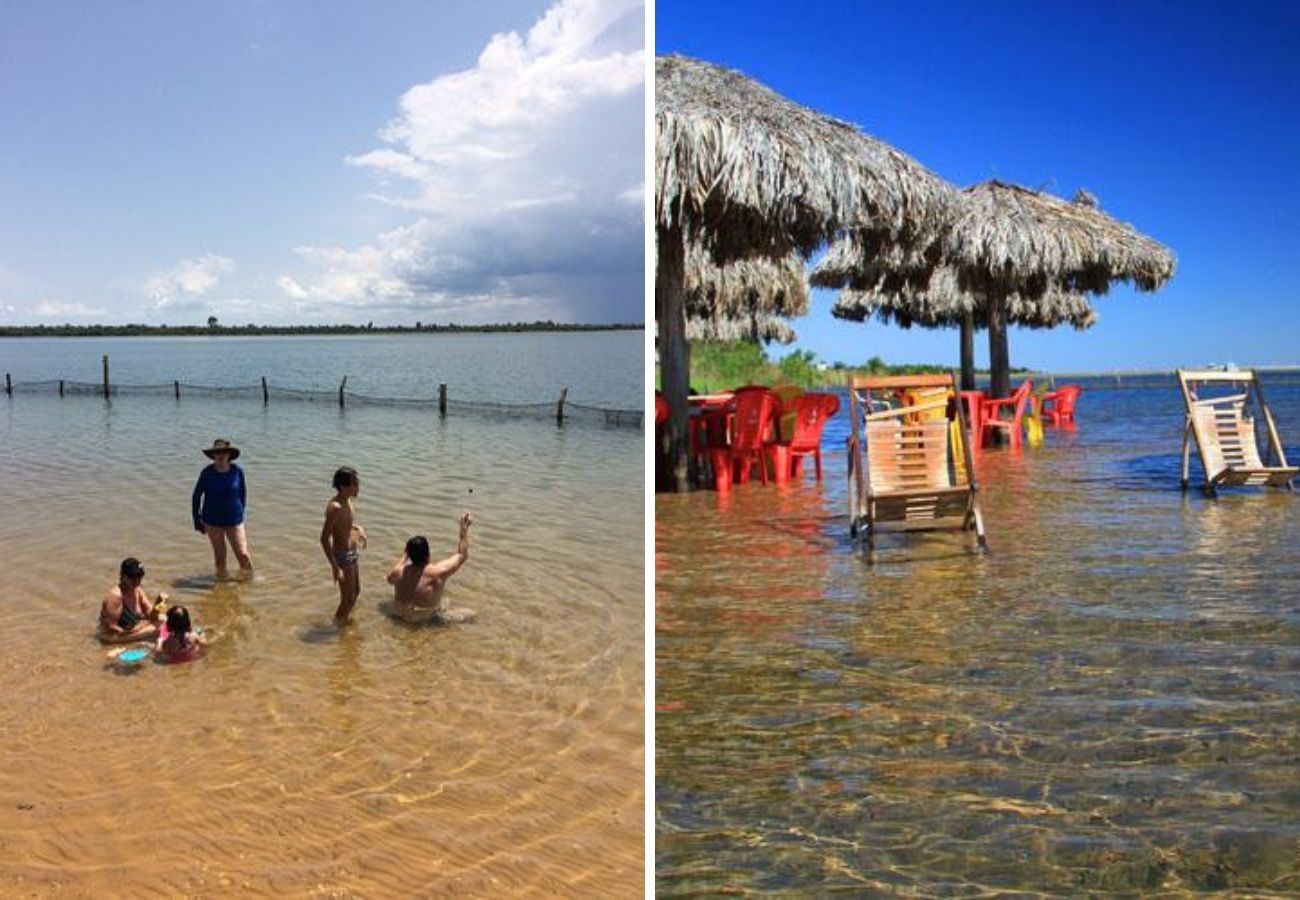
As the beach season in Tocantins, Brazil, intensifies in July, safety officials are reinforcing crucial guidelines to prevent accidents, particularly concerning children. Recent tragic incidents, including the electrocution of a 5-year-old boy and multiple drownings, underscore the need for vigilance. Enrico Cândido Alves de França, aged 5, died from an electric shock at Raposa Beach in Tupiratins on July 16th. Additionally, three men and an 8-year-old child, who went missing on July 9th after being swept away by currents at a beach in Peixe, have also drowned. The Fire Department is urging the public to adopt preventative measures against electric shocks and drownings. Lieutenant João Paulo Tavares advised against installing electrical equipment near water bodies, emphasizing water's conductivity. He stressed that immediate action should involve cutting power at the source before attempting any rescue. Alcohol consumption is identified as a major factor in drownings, accounting for 47% of cases in Tocantins over the past five years, according to Lieutenant Colonel Antônio Luiz Soares. Intoxicated individuals often overestimate their swimming abilities and lose judgment, leading to dangerous situations. Even skilled swimmers can drown if they push their limits or become exhausted. In rescue situations, bystanders are urged to throw floating objects like buoys or coolers to victims rather than entering the water themselves. To prevent stingray attacks, especially in areas with poor water visibility, beachgoers should shuffle their feet and use a stick to disturb the water, deterring the animals. Piranha attacks can be mitigated by preventing people from feeding fish in the river, as this attracts piranhas. Installing physical barriers in the water, similar to those used in Palmas, is also recommended to keep piranhas at bay.
The heightened risk of accidents during Tocantins' peak beach season, tragically highlighted by the death of a child due to electrocution and several drownings, points to systemic challenges in public safety messaging and infrastructure. While authorities provide essential safety advice, the recurring nature of these incidents suggests a need for more robust preventative strategies. These could include enhanced enforcement of regulations regarding electrical installations near water, increased public awareness campaigns that go beyond simple warnings to emphasize behavioral changes like avoiding alcohol before swimming, and potentially improved lifeguard presence or designated safe swimming zones. The analysis of drowning causes, particularly alcohol's significant contribution and the fact that many victims are swimmers, indicates a gap between perceived risk and actual danger, necessitating educational approaches that foster a deeper understanding of water safety and personal limitations. Future considerations might involve leveraging technology for real-time hazard warnings or exploring community-based safety initiatives to foster a culture of vigilance.
AI-generated to prompt reflection — not editorial opinion, not advice, not a statement of fact. How this works.