Tocantins Bridge, Opened Less Than 20 Years Ago, Deemed Irreparably Damaged
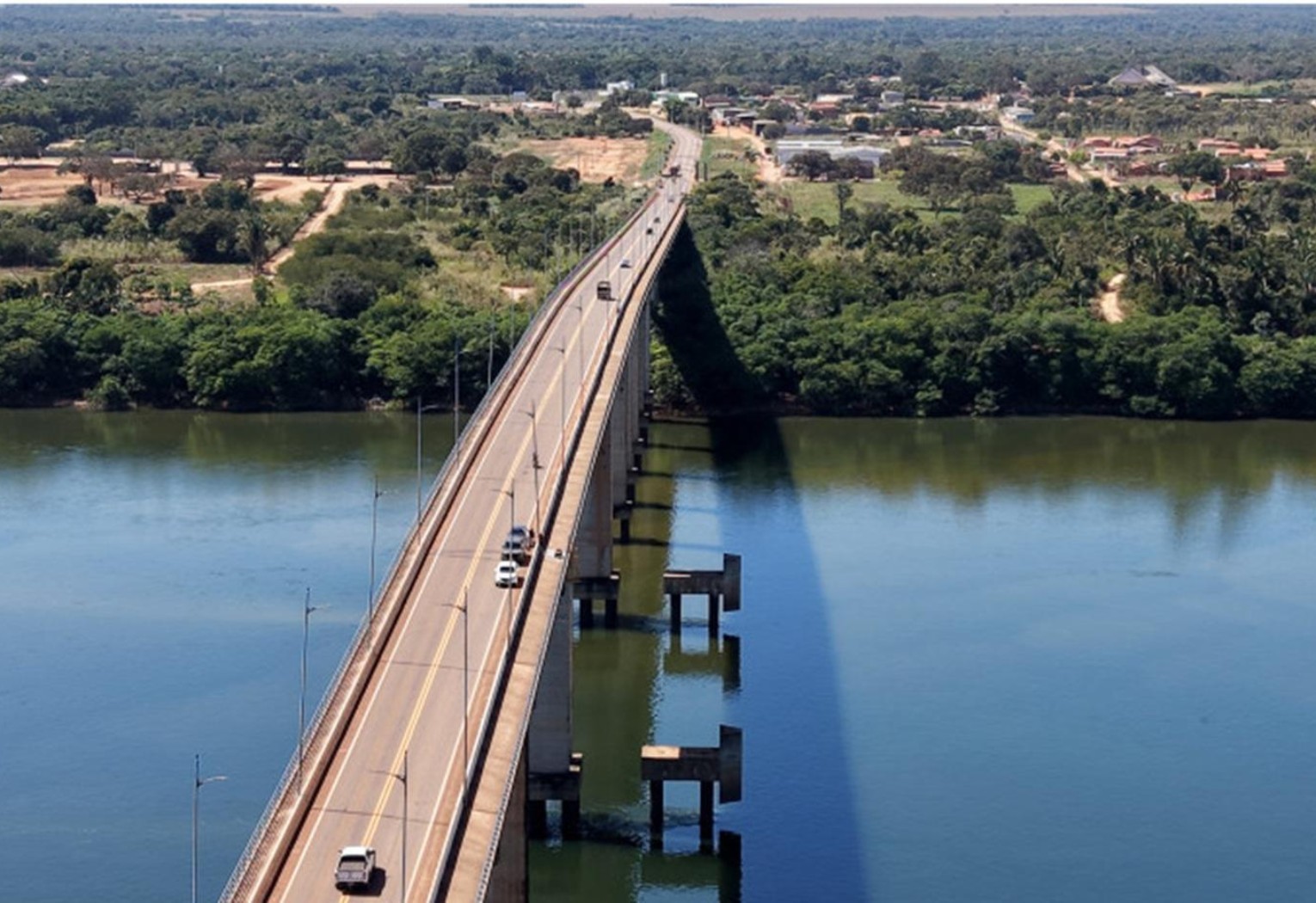
A critical bridge over the Tocantins River on the BR-235 federal highway, connecting Pedro Afonso and Tupirama in Tocantins, Brazil, has been declared irreparably damaged and will require complete reconstruction. Inaugurated in December 2007 at a cost of R$ 92.7 million, the 1,060-meter-long bridge was designed to boost the regional economy by replacing ferry services and reducing freight costs for agricultural exports. However, after just 18 years of use, a technical report dated July 17, 2026, revealed severe chemical pathologies in the foundation concrete, including alkali-aggregate reaction and delayed ettringite formation. These issues have caused irreversible wear, preventing any possibility of repair. The National Department of Infrastructure of Transport (Dnit) made the decision for full reconstruction based on the findings and the guidelines of the Special Works Rehabilitation Program (Proarte). The bridge, officially named Ponte Prefeito Leôncio Miranda, was a joint federal and state project, with the state initially investing R$ 60 million and the federal government providing the remainder. Its closure has led to significant logistical disruptions, prompting the governor to authorize emergency ferry services and the mayor of Pedro Afonso to declare a state of emergency. Extreme load tests conducted in July 2026 confirmed permanent structural damage. Dnit is evaluating the possibility of allowing cars and motorcycles to use the bridge after safety reinforcements, but a definitive solution remains pending.
The premature structural failure of the Ponte Prefeito Leôncio Miranda, a significant infrastructure investment opened less than two decades ago, highlights potential systemic issues in materials selection, construction oversight, or long-term maintenance protocols for major public works. The reported chemical reactions, such as alkali-aggregate reaction, suggest that material quality or environmental interactions may not have been adequately assessed for the projected lifespan of the structure. This event underscores the importance of rigorous, ongoing structural health monitoring and the need for robust lifecycle cost analyses that account for unforeseen material degradation. As Brazil and other nations increasingly rely on infrastructure to support economic growth and connectivity, understanding and mitigating such failures will be crucial for ensuring the long-term viability and economic efficiency of public investments in the coming decades.
AI-generated to prompt reflection — not editorial opinion, not advice, not a statement of fact. How this works.