Tocantins Bridge Project Sees $12.9M Increase for New Features Amidst Investigation
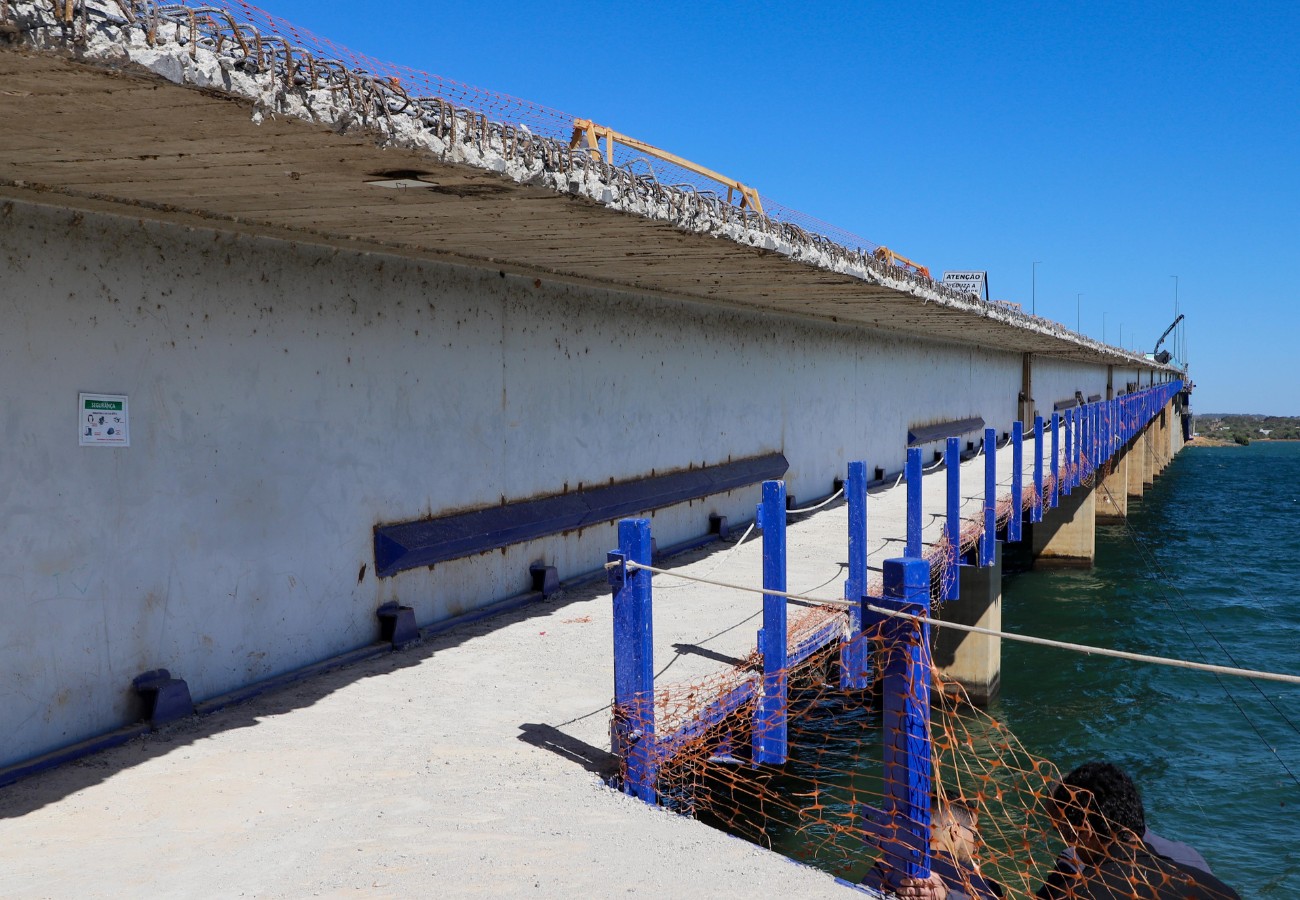
The Agência de Obras do Tocantins (Ageto) has approved an additional R$ 12.9 million for the Ponte Governador José Wilson Siqueira Campos, which connects Palmas to Luzimangues. This brings the total project cost to R$ 110 million, an increase from the initial R$ 97.8 million budget. The added funds are designated for enhancements such as a steel deck slab, observation decks, additional guardrails, metal structure protection painting, and slope recovery. Initially, the government stated the addendum would include outdoor gyms, but these were later removed due to road safety concerns. Construction on the TO-080 section began in July 2025 and is approximately 85% complete. The project includes widening the central span and installing a metal cycle path. However, the Tocantins Public Prosecutor's Office (MPTO) is investigating structural changes, including the road widening, due to concerns about potential increased load on the bridge not accounted for in the original structural design. The MPTO opened its inquiry in July 2026. Ageto asserts that the addendum does not stem from original project flaws but aims to enhance the bridge's functionality and public benefit, citing cost savings by avoiding a new tender. The total contract value, including the addendum, now stands at R$ 110,724,534.19, representing a 13.19% increase. A civil engineer noted the importance of ensuring the underlying structure can support the increased load capacity resulting from the modifications.
The Tocantins bridge project's cost escalation and subsequent investigation highlight a common tension in large infrastructure development between enhancing functionality and ensuring structural integrity. While the added funds aim to improve public amenities and modernize the bridge, the Public Prosecutor's scrutiny over potential load increases underscores the critical need for robust, forward-looking structural engineering. The agency's justification of cost savings through an addendum, rather than a new tender, warrants examination regarding transparency and potential risks associated with scope creep. As urban mobility demands evolve, infrastructure projects must balance immediate upgrades with long-term safety and resilience, particularly as climate and usage patterns shift over the next decade. This situation prompts consideration of more integrated planning processes that proactively assess future load capacities and environmental factors from the outset.
AI-generated to prompt reflection — not editorial opinion, not advice, not a statement of fact. How this works.