Tocantins Faces Brazil's Largest Proportional Police Shortage
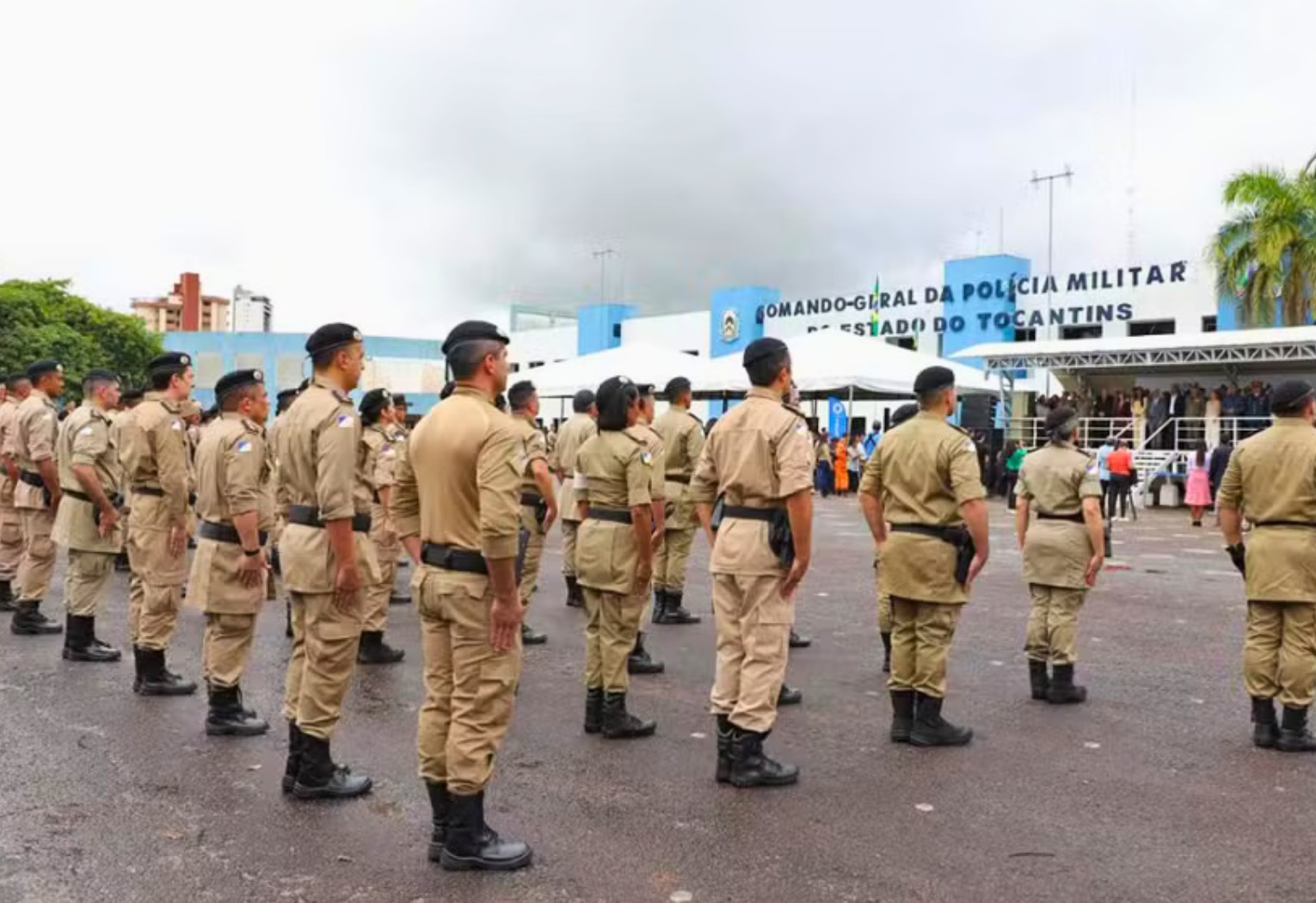
Tocantins, Brazil, has the nation's most significant proportional deficit of military police officers, according to a 2026 study by the Brazilian Public Security Forum (FBSP). The "X-Ray of Public Security Forces in Brazil" report reveals that the state's Military Police (PM-TO) has the lowest ratio of active officers to legally mandated positions nationwide. Tocantins' state law calls for 9,000 military police officers, but only 3,145 are currently serving, meaning just 34.9% of authorized positions are filled. This shortfall in Tocantins exceeds that of other states struggling with police recruitment. In absolute numbers, Tocantins also ranks among the states with the smallest total police forces, alongside Acre and Roraima, with 3,145 officers. The state has a rate of 2 military police officers per 1,000 inhabitants, which, despite the large legal deficit, is slightly higher than the national average of 1.9 officers per 1,000 inhabitants. This higher per capita rate is partly attributed to Tocantins' low population density, which compensates for the understaffing relative to population size. However, the FBSP emphasizes that achieving an "ideal effective strength" requires considering institutional planning, geography, work shifts, logistics, and support structures, not just population ratios. The Tocantins state government did not provide a comment on the police deficit by the time of reporting.
This report highlights a critical governance challenge in Tocantins, where a substantial gap exists between the legally defined staffing levels for its military police and the actual number of officers available. While the state's low population density helps maintain a per capita officer ratio above the national average, this metric may mask underlying systemic issues related to recruitment, retention, or budget allocation for the police force. The discrepancy suggests a potential disconnect between legislative planning and operational realities, which could impact public safety and service delivery. Future policy considerations should focus on understanding the root causes of this deficit and developing sustainable strategies to align actual force levels with institutional needs and public security objectives, considering the state's unique geographical and logistical context.
AI-generated to prompt reflection — not editorial opinion, not advice, not a statement of fact. How this works.
