Tocantins Farmers Harvest Corn at Night to Mitigate Fire Risks
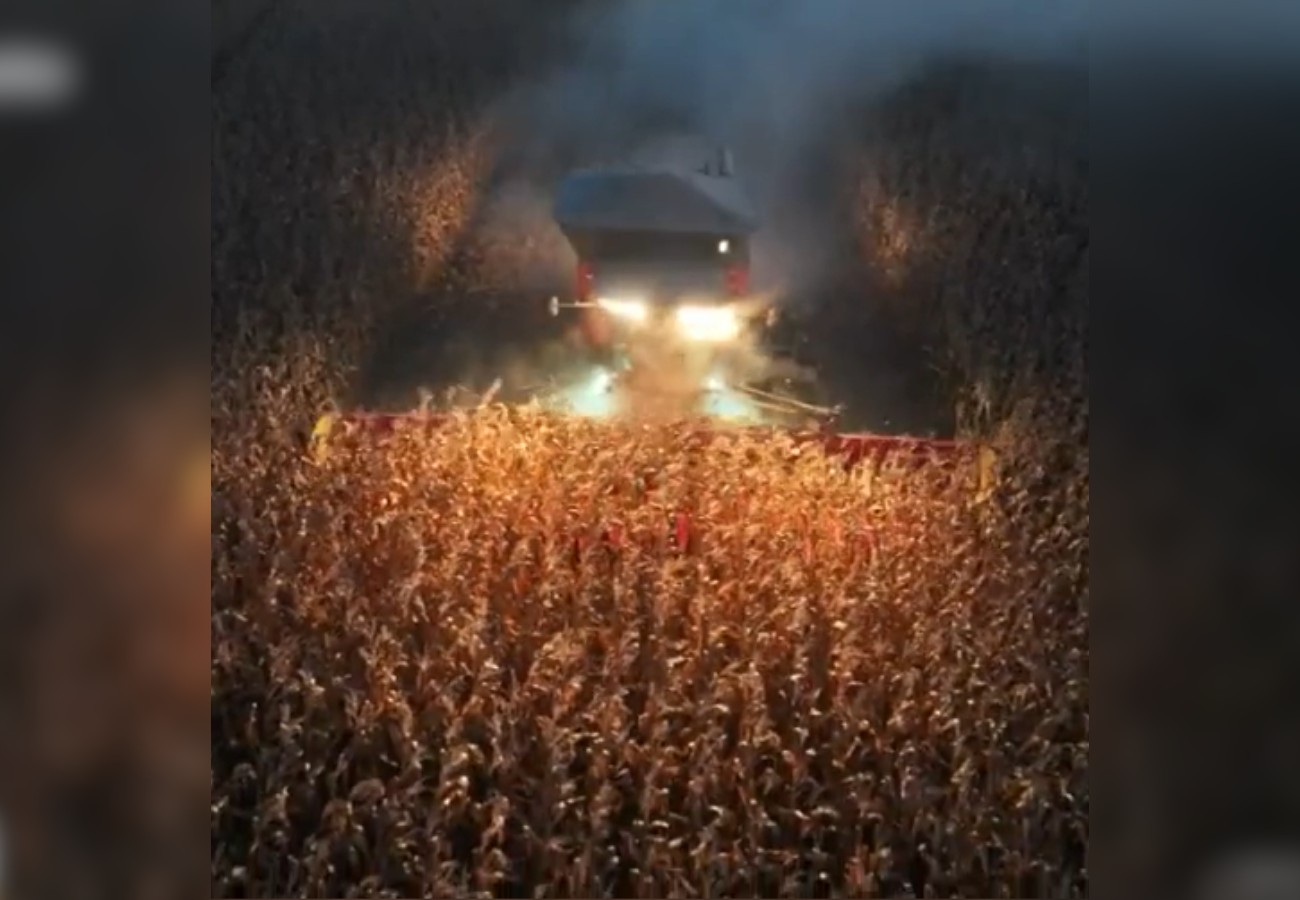
Agricultural producers in Tocantins, Brazil, are adapting their harvesting schedules to nighttime operations to mitigate the significant risk of wildfires during the dry season. The state is currently in the peak of its "safrinha" corn harvest, a period characterized by low humidity and high temperatures, often reaching 36 degrees Celsius. This challenging climate poses a severe fire hazard, with Tocantins recording 11,548 fire outbreaks in 2025 and 3,314 by July 22, 2026, according to the National Institute for Space Research (Inpe). To protect their crops, which cover over 1 million hectares of corn planted in 2026, farmers are shifting their work to cooler evening hours. One producer, Augusto Cela, explained that harvesting occurs from early morning until around 11 AM, resuming in the late afternoon and continuing until 10 or 11 PM when temperatures are more manageable. Safety measures are paramount, with water trucks following combines closely to immediately extinguish any sparks. In Talismã, southern Tocantins, the Civil Defense has established and trained a specialized brigade to assist farms. This proactive approach involves immediate alerts through local groups, enabling swift response to any emergent fires, ensuring coordinated efforts between producers and emergency services.
The extreme weather conditions in Tocantins necessitate adaptive farming practices, highlighting the growing intersection of agriculture and climate resilience. The shift to nighttime harvesting, while a pragmatic solution for immediate crop protection, underscores the systemic challenges posed by prolonged dry seasons and elevated temperatures, potentially exacerbated by climate change. The reliance on water trucks and dedicated brigades points to the increasing need for robust disaster preparedness infrastructure within agricultural regions. Future agricultural planning in such environments will likely require integrating advanced weather forecasting, drought-resistant crop varieties, and potentially innovative water management techniques to ensure long-term viability and reduce the recurring risk of devastating wildfires.
AI-generated to prompt reflection — not editorial opinion, not advice, not a statement of fact. How this works.