Tocantins Halts Controlled Burns Amid Critical Fire Risk
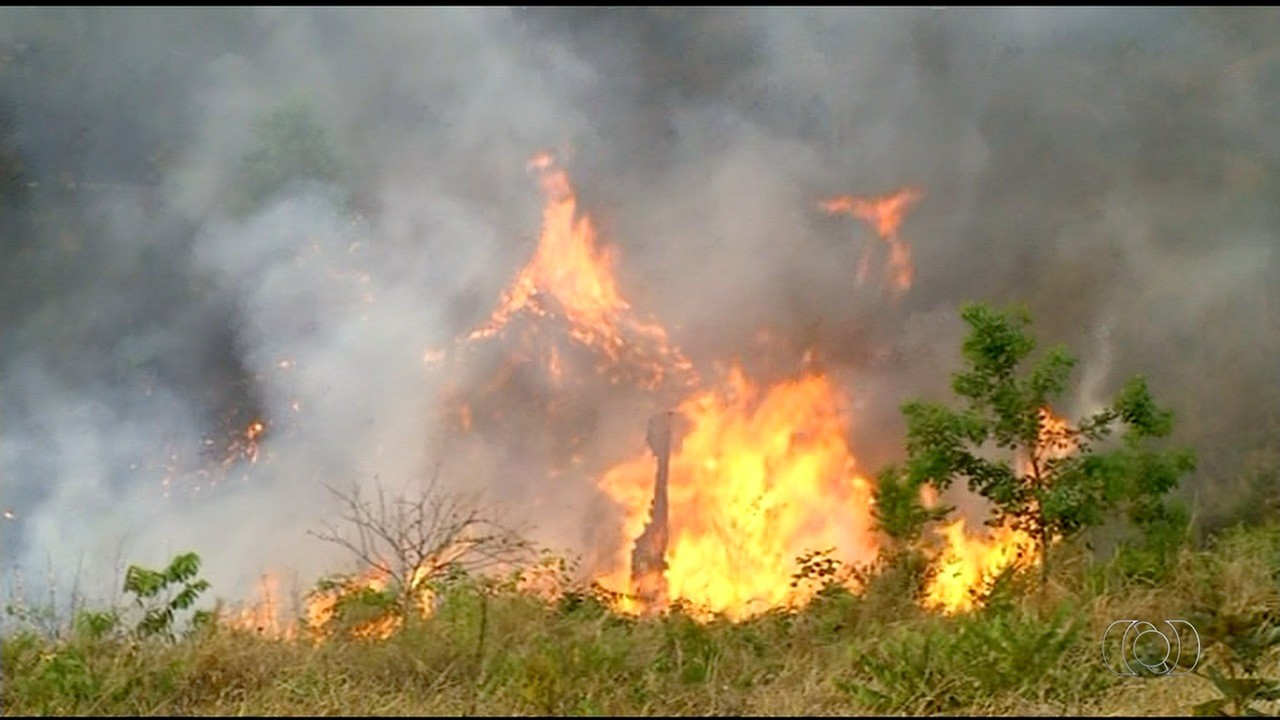
The government of Tocantins has declared zero tolerance for fire use across the state, suspending all controlled burn authorizations. This measure, enacted through Portaria nº 190/2026 and published on Friday, May 24th, will be in effect from Monday, May 27th, until October 31st, 2026. This period coincides with the peak dry season in the Cerrado region. Data from INPE's Infoqueima bulletin highlights the urgency, with 1,109 heat sources detected in Tocantins in June alone. Despite a slight decrease from the previous year, the current meteorological risk is rated 'High' to 'Critical' due to the lack of rain in the Matopiba region, a significant agricultural area. Municipalities within the Jalapão region are of particular concern, with Mateiros ranking second nationally for fires and Lagoa da Confusão also experiencing high numbers. The ban aims to protect these sensitive areas, conservation units, and indigenous lands. This decision represents an advancement in the state's Environmental, Social, and Governance (ESG) strategies, seeking to reduce pollutant emissions and soil degradation while safeguarding wildlife. Farmers using fire for pasture clearing or soil preparation during the ban face severe penalties, including hefty fines, property embargoes, and environmental crime charges. INPE's forecast suggests the situation could worsen, with below-average rainfall expected, making vegetation more vulnerable. The state aims to curb fire progression and mitigate the impacts of the severe drought on biodiversity.
The Tocantins government's decisive action to suspend controlled burns reflects a proactive response to escalating environmental risks, particularly concerning fire hazards during the dry season. This policy shift aligns with broader ESG principles by prioritizing ecological preservation and mitigating climate-related impacts. The measure acknowledges the interconnectedness of agricultural practices, biodiversity, and meteorological conditions, particularly in the sensitive Cerrado biome. By implementing stringent regulations and penalties, the state aims to incentivize more sustainable land management, fostering resilience against future environmental challenges. This approach underscores the growing recognition that effective environmental governance is crucial for long-term economic stability and ecological health, especially in regions heavily impacted by climate change and agricultural expansion.
AI-generated to prompt reflection — not editorial opinion, not advice, not a statement of fact. How this works.