Tocantins River Bridge on BR-235 Deemed Irreparably Damaged, Requiring Full Reconstruction
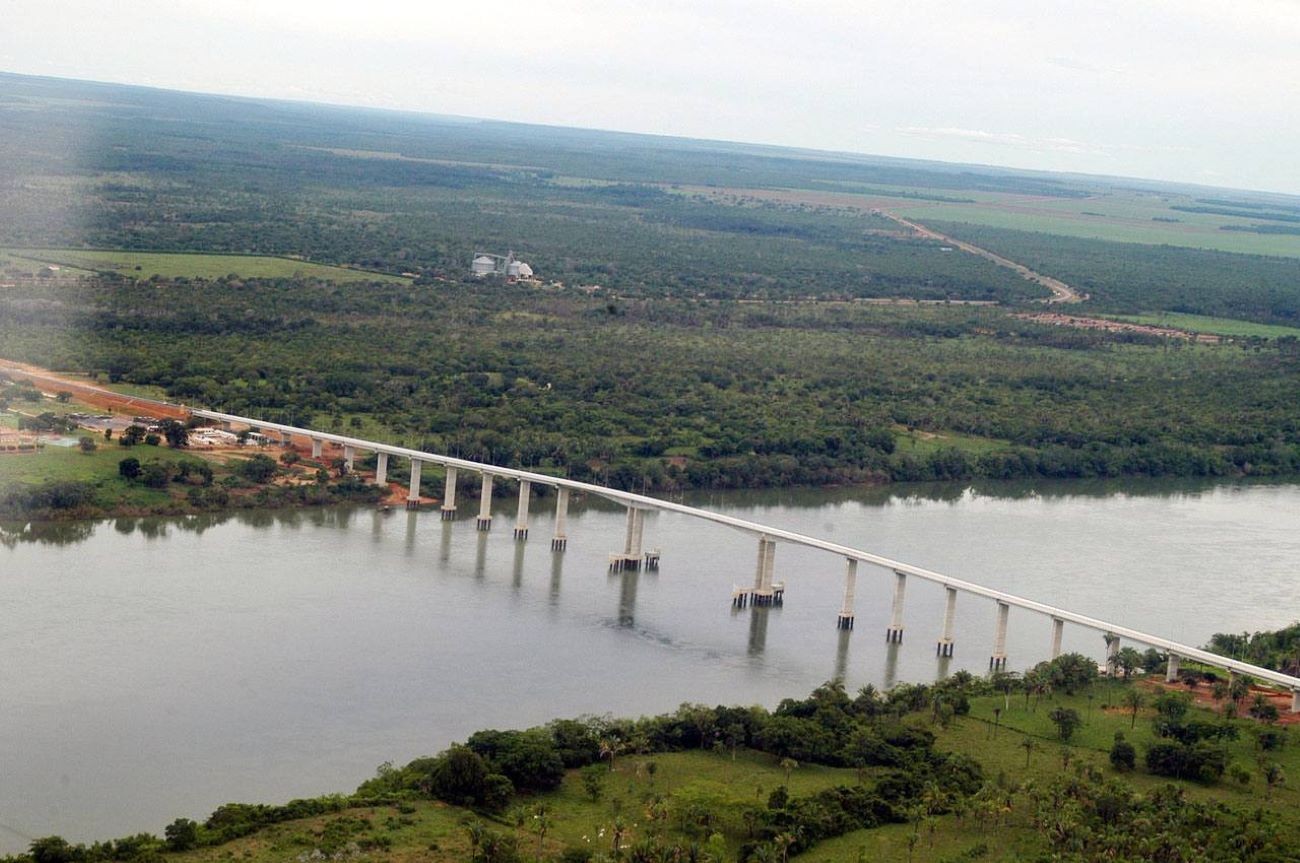
A technical report from Brazil's National Department of Transport Infrastructure (Dnit) has confirmed irreversible damage to the bridge spanning the Tocantins River on BR-235, between the municipalities of Pedro Afonso and Tupirama. The Dnit concluded that a full reconstruction of the crossing is necessary, as repairs would not guarantee the safety of drivers. This decision stems from a two-stage investigation. During a load test conducted from July 8-10, trucks totaling 360 tons were placed on the bridge's center. Sensors indicated the structure did not return to its original position after the weight was removed, causing permanent damage to the pillars and foundations.
Further analysis by the Technological Research Institute (IPT) in São Paulo identified the root cause as two internal chemical reactions within the concrete of the bases: alkali-aggregate reaction and delayed ettringite formation. These reactions led to definitive structural wear. In accordance with the Special Works Rehabilitation Program (Proarte), the Dnit has mandated a complete rebuild of the bridge. The structure remains closed, with Dnit planning to reassess in 15 days whether light vehicles like cars and motorcycles can use it, pending necessary safety services.
The bridge, located at km 163 of BR-235, was initially closed to vehicles over four tons on May 21, 2026, due to structural issues, eventually leading to a complete closure as a preventative measure. This closure significantly impacts the region, a vital corridor for the agro-industrial production of Matopiba. The logistical and economic disruptions prompted the Pedro Afonso City Hall to declare a 180-day state of emergency. To mitigate the impact, the Tocantins State Government authorized an emergency ferry service, which has been operating temporarily while Dnit conducted its in-depth technical studies.
The Dnit's assessment highlights a critical infrastructure failure, necessitating a costly and time-consuming reconstruction. This event underscores the importance of robust, ongoing structural integrity monitoring for transportation networks, particularly those supporting significant economic activity like agricultural exports. The chemical reactions identified suggest potential issues with material quality or environmental factors over time, prompting a review of construction standards and maintenance protocols. The extended closure and the need for alternative routes, including a ferry service, demonstrate the systemic vulnerabilities of single-point infrastructure and the cascading economic consequences. Future planning should prioritize redundancy and resilience in critical transport corridors to mitigate such disruptions and ensure the continued flow of goods and services.
AI-generated to prompt reflection — not editorial opinion, not advice, not a statement of fact. How this works.