Tocantins State Announces Multiple Public Service Exams for 2026
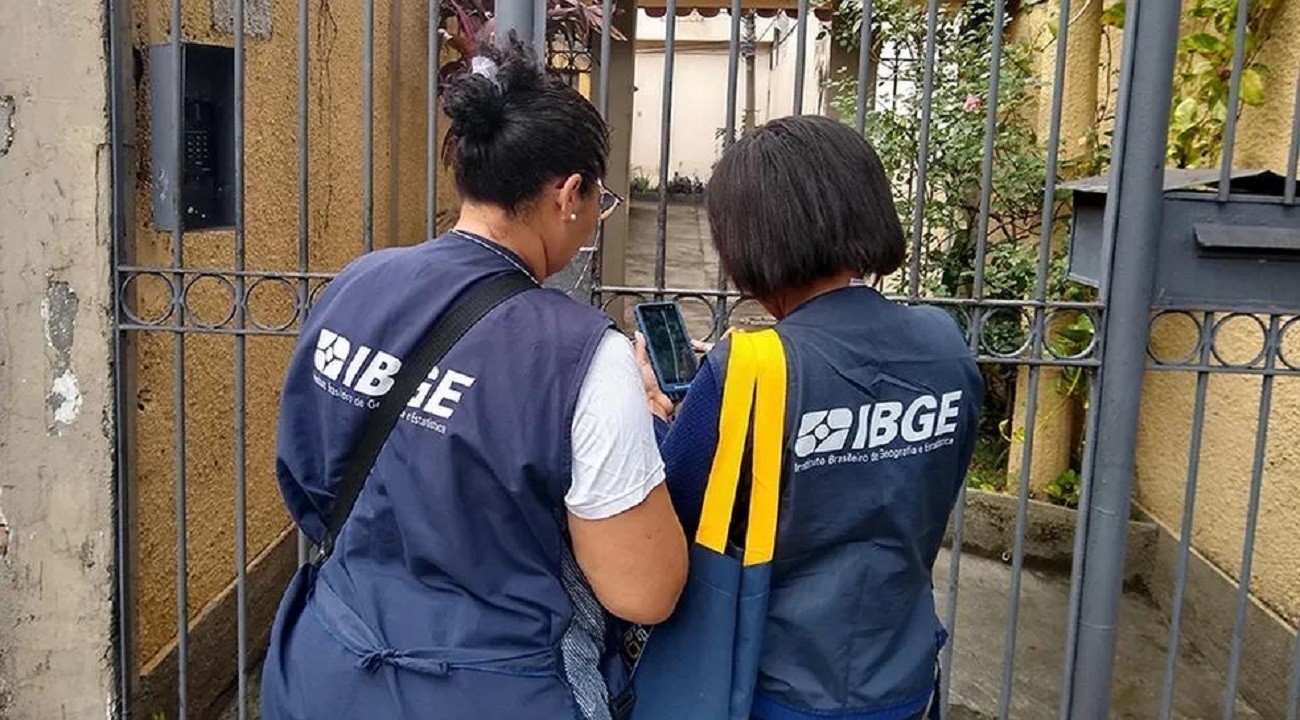
The government of Tocantins, Brazil, has announced several public service examinations anticipated for 2026, with some already having defined application dates while others await official announcements. The Brazilian Institute of Geography and Statistics (IBGE) is conducting a temporary hiring process this year for the 12th Agricultural, Forestry, and Aquaculture Census, offering 156 positions across 19 municipalities. Applications are open until July 9, with exams on September 27 and final results expected by December 18. The Tocantins Civil Police plans to offer 452 positions, including investigator, forensic expert, and police delegate, with salaries up to R$21,901.70. The organizing body is currently being selected, with the announcement expected by September. The State Secretariat of Health is organizing a major recruitment drive with 5,124 vacancies across 31 professional categories, including nursing and medical roles, with exams scheduled for the second half of 2026. The State Secretariat of Finance has authorized 200 auditor positions, split between immediate hires and a reserve list, with the organizing body selection underway. Additionally, the State Comptroller's Office plans to hire 40 Internal Control Analysts, 30 for immediate positions and 10 for a reserve list, though no timeline has been provided.
The Tocantins state government's multi-agency recruitment initiative signals a strategic effort to bolster public services and address long-standing personnel gaps, particularly evident in the Health Secretariat's first recruitment in 18 years and the Finance Secretariat's in 32 years. This approach, while addressing immediate needs, highlights potential systemic understaffing and the cyclical nature of public sector hiring. The reliance on external examination boards like FGV for large-scale recruitment indicates a preference for standardized, efficient selection processes, but also raises questions about long-term institutional capacity building within state agencies. Future planning will need to balance immediate hiring demands with sustainable workforce development and retention strategies to avoid recurring deficits and ensure consistent service delivery in the evolving digital governance landscape.
AI-generated to prompt reflection — not editorial opinion, not advice, not a statement of fact. How this works.