Tocantins State Approves IPVA Exemption for Electric Vehicles for Two Years
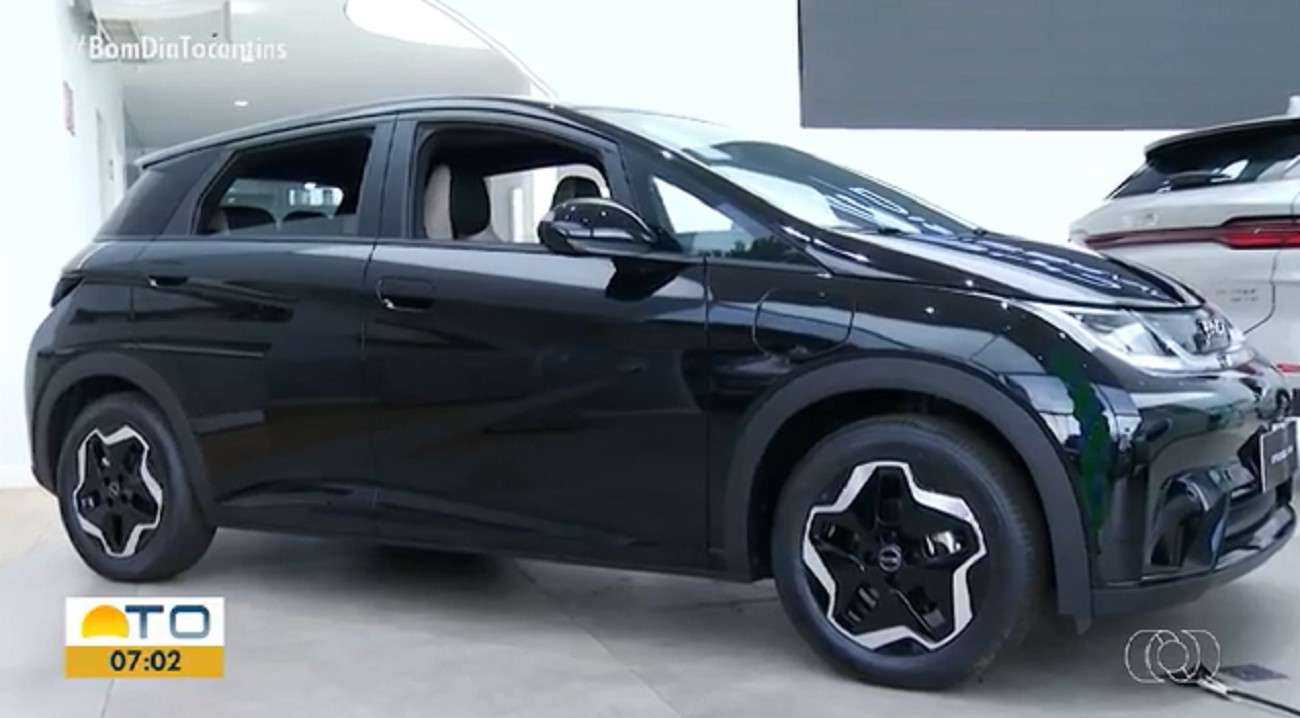
The state of Tocantins in Brazil has officially enacted a new law, Lei 5.061, which grants a two-year exemption from the Vehicle Ownership Tax (IPVA) for electric and hybrid vehicles. This measure, announced by the government in March and approved by state deputies, will be effective for the tax years 2026 and 2027. The exemption applies to electric or hybrid cars, trucks, and buses purchased within Tocantins that possess at least one electric motor. Following the initial two-year full exemption, a phased reduction in the tax base will be implemented until 2030. Specifically, there will be a 50% reduction for 2028, followed by a 40% reduction in 2029, and a 30% reduction in 2030. Additionally, the new law establishes a 1% IPVA rate for terrestrial vehicles used in passenger and cargo transport. Another related law, Lei 5.039, enacted on May 27, 2026, zeros out the IPVA for passenger vehicles, pickup trucks, and mixed-use vehicles that are 20 years or older, starting in 2026. However, this specific exemption for older vehicles does not extend to microbuses, buses, trailers, or semi-trailers.
This legislative action by Tocantins aims to incentivize the adoption of electric and hybrid vehicles by reducing the financial burden of ownership through tax relief. By offering a graduated tax reduction beyond the initial exemption, the state signals a long-term commitment to fostering a greener transportation sector. This policy aligns with broader global trends and national objectives to reduce carbon emissions and promote sustainable mobility. The inclusion of older vehicle tax exemptions also addresses concerns about vehicle affordability and accessibility for a wider segment of the population. The effectiveness of these measures will depend on factors such as the availability of charging infrastructure, the cost competitiveness of electric vehicles, and consumer awareness. Future policy considerations might include evaluating the environmental impact and revenue implications of these tax incentives over time.
AI-generated to prompt reflection — not editorial opinion, not advice, not a statement of fact. How this works.