Tocantins' Traditional Chambari Dish Inspires Viral Pizza Flavor in Palmas
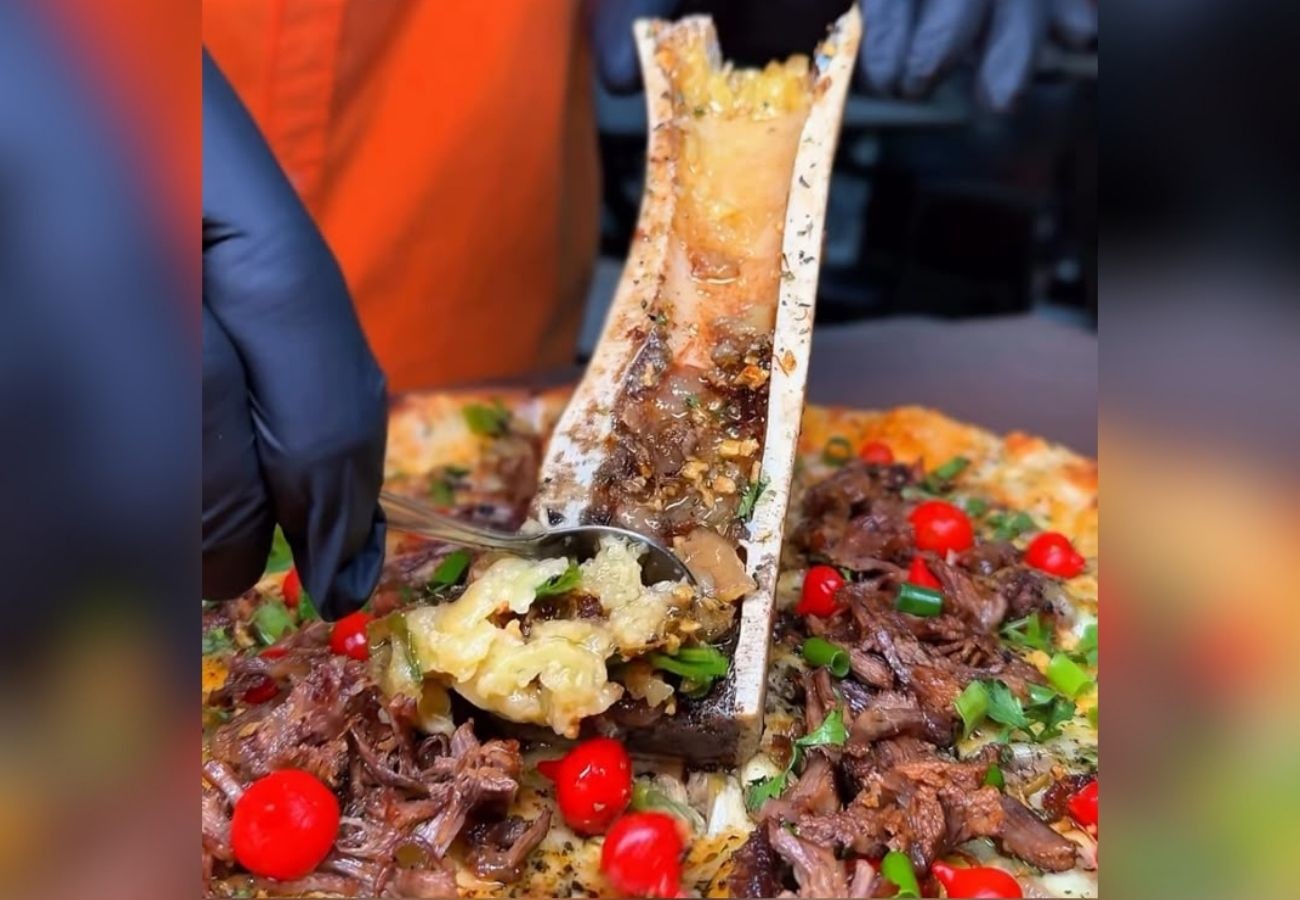
A pizzeria in Palmas, Tocantins, has gained significant attention on social media for its innovative pizza flavor inspired by the region's traditional chambari dish. Chambari, typically made with beef muscle and bone marrow, is a staple in Tocantins cuisine. The pizzeria's owner, 37-year-old Robson Reis, explained that while the chambari pizza was already on the menu, its popularity surged after they added bone marrow and began promoting it through videos. One such video, featuring Reis trying the pizza, went viral, garnering approximately 6,000 likes and hundreds of comments by Monday, the 13th. The unique combination has sparked lively online discussions, with some users praising the creativity and suggesting it for the Taquaruçu Gastronomic Festival, while others humorously commented on the richness of the ingredients. The chambari dish itself holds official recognition in Tocantins, having been declared a Cultural and Gastronomic Heritage of the State in 2017, alongside other local specialties. This status was reaffirmed in 2024 with legislation further cementing its role as a symbol of Tocantins' cultural and culinary identity. The pizzeria is known for other creative, ingredient-heavy offerings, which also frequently go viral on their social media platforms.
This event highlights the dynamic interplay between traditional regional cuisine and modern food service innovation, amplified by social media reach. The viral success of the chambari pizza demonstrates how novel adaptations of established cultural dishes can capture public imagination and drive business growth. It also underscores the power of digital platforms in democratizing food trends, allowing local businesses to achieve widespread visibility. From a systems perspective, this fusion reflects evolving consumer preferences for unique and culturally resonant dining experiences. The official recognition of chambari as a state heritage signifies a broader societal effort to preserve and promote regional identity through gastronomy, creating a fertile ground for such culinary interpretations. Looking ahead, businesses that can authentically connect traditional elements with contemporary appeal are likely to thrive in an increasingly globalized and experience-driven market.
AI-generated to prompt reflection — not editorial opinion, not advice, not a statement of fact. How this works.