Tocantins Voters Can Now Request to Vote Remotely for 2026 Elections
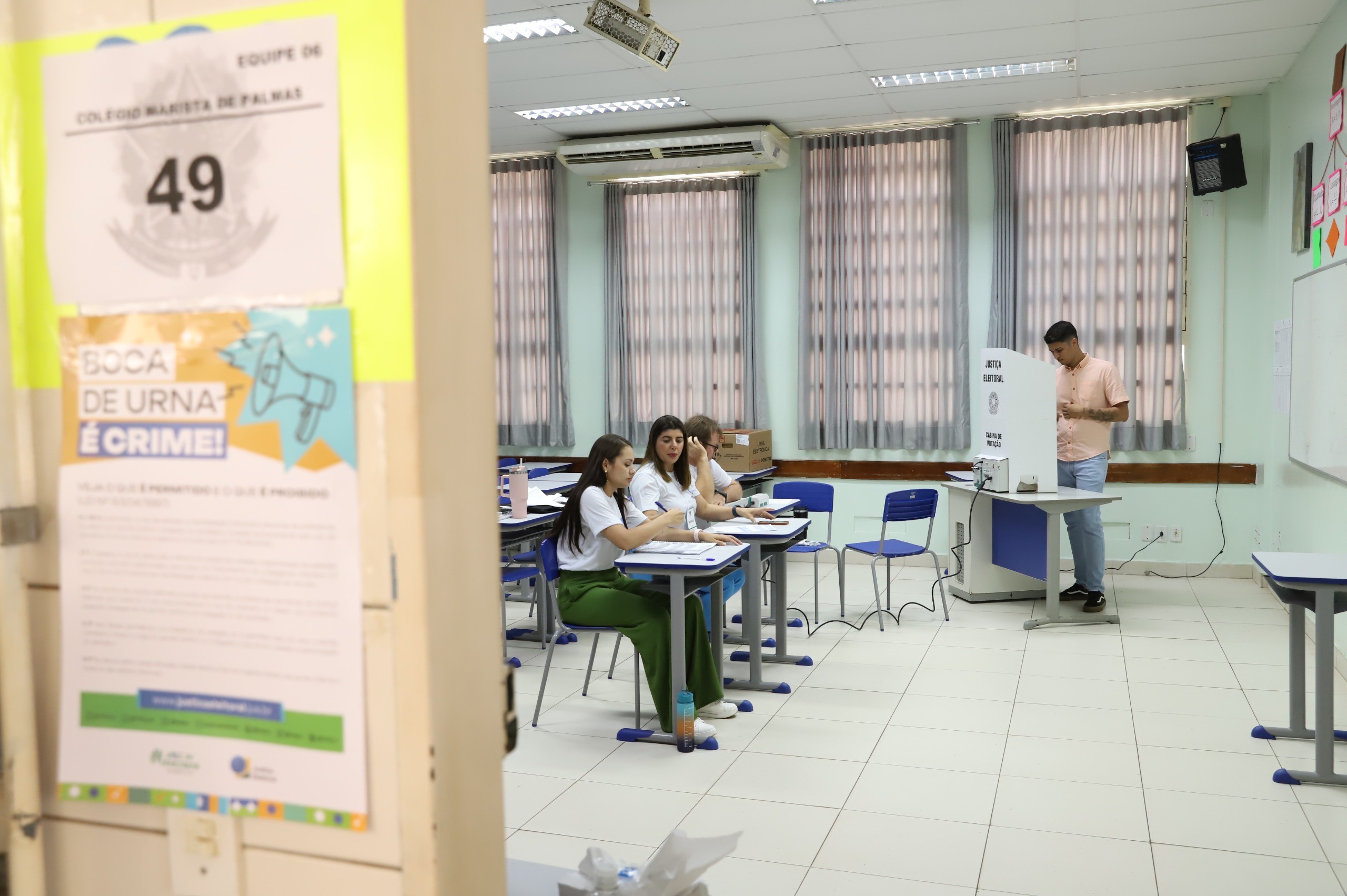
The deadline to request the "voto em trânsito" (voting while away from home) for the 2026 elections in Tocantins is August 20th. This option allows registered voters to cast their ballot even if they are not in their usual polling location, provided they remain within Brazil. The application period began on Monday, July 20th. According to the Electoral Justice of Tocantins, this service is only available in the cities of Palmas and Araguaína, as they are the only ones in the state with over 100,000 inhabitants, meeting the criteria set by the Superior Electoral Court (TSE). Voters can apply online through the TSE's Electoral Self-Service portal for those with registered biometrics, or in person at any electoral registry office with a photo ID. If voting in a different city within the same state as their domicile, voters can cast ballots for all positions: president, governor, senator, federal deputy, and state deputy. However, if voting in a different state, they can only vote for the President of the Republic. Applicants must specify the city where they intend to vote and whether the request is for the first round, second round, or both. Once approved, voters cannot cast a ballot at their original polling station. If a voter cancels their trip and does not vote at the designated transit location, they must provide a valid justification for their absence. In Tocantins, specific locations have been designated for transit voting: in Palmas, the Caroline Campelo Cruz da Silva Integrated Full-Time Municipal School or the Tocantins Federal Institute (IFTO); and in Araguaína, the Sancha Ferreira Integrated Full-Time State School and the Modelo State School. Voters in cities not offering this service will not be able to vote and must justify their absence via the e-Título app or in person.
The "voto em trânsito" system aims to enhance electoral participation by accommodating voters who are temporarily away from their registered domicile. By establishing criteria based on city population, the Superior Electoral Court seeks to manage resources and ensure the logistical feasibility of this remote voting option. The limited availability of this service to only two cities in Tocantins highlights the ongoing challenge of scaling electoral infrastructure to meet diverse voter needs across a large geographic area. Future considerations for electoral bodies might include exploring technological solutions to expand remote voting accessibility while maintaining robust security and verification protocols, potentially reducing the need for physical travel and the associated justifications for absence, thereby strengthening democratic engagement in an increasingly mobile society.
AI-generated to prompt reflection — not editorial opinion, not advice, not a statement of fact. How this works.