Togo: Could Forgiveness Pave the Way for Political Alternation?
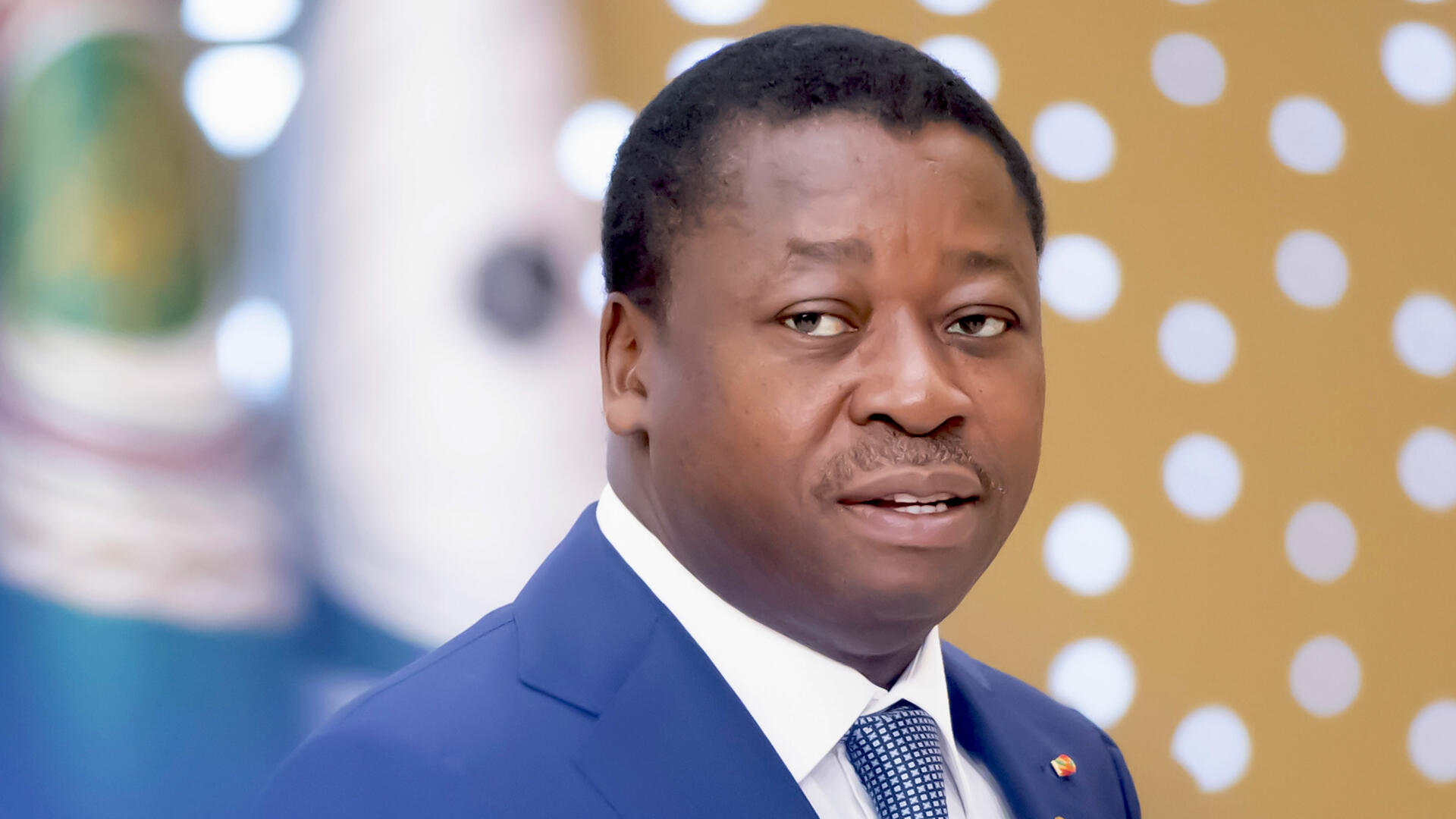
The political history of Togo is marked by numerous missed opportunities, with the country having sought political alternation for over thirty years. This ongoing quest highlights a persistent challenge in the nation's governance. The article suggests that the concept of forgiveness might be a crucial element in unlocking this long-sought political transition. It implies that unresolved historical grievances or conflicts may be acting as significant barriers to achieving a stable and democratic alternation of power. By exploring the potential of forgiveness, the author posits a path forward that could address underlying issues hindering political progress. This perspective frames forgiveness not merely as a personal act but as a potentially transformative political tool for national reconciliation and democratic development. The piece reflects on the deep-seated nature of these political challenges and proposes a novel approach to overcoming them.
The persistent pursuit of political alternation in Togo over three decades suggests systemic governance challenges rather than isolated incidents. The proposition that forgiveness could be a catalyst for change invites an examination of reconciliation mechanisms within the Togolese political landscape. Exploring how historical narratives and unresolved conflicts impact current power dynamics is crucial. Future political stability may hinge on establishing robust frameworks for accountability and restorative justice, ensuring that transitions are not only peaceful but also address the root causes of past divisions. This approach could foster a more inclusive and resilient democratic future, moving beyond cyclical missed opportunities.
AI-generated to prompt reflection — not editorial opinion, not advice, not a statement of fact. How this works.