Togo: Health Party Quits CPC Talks, Citing Government Contradictions
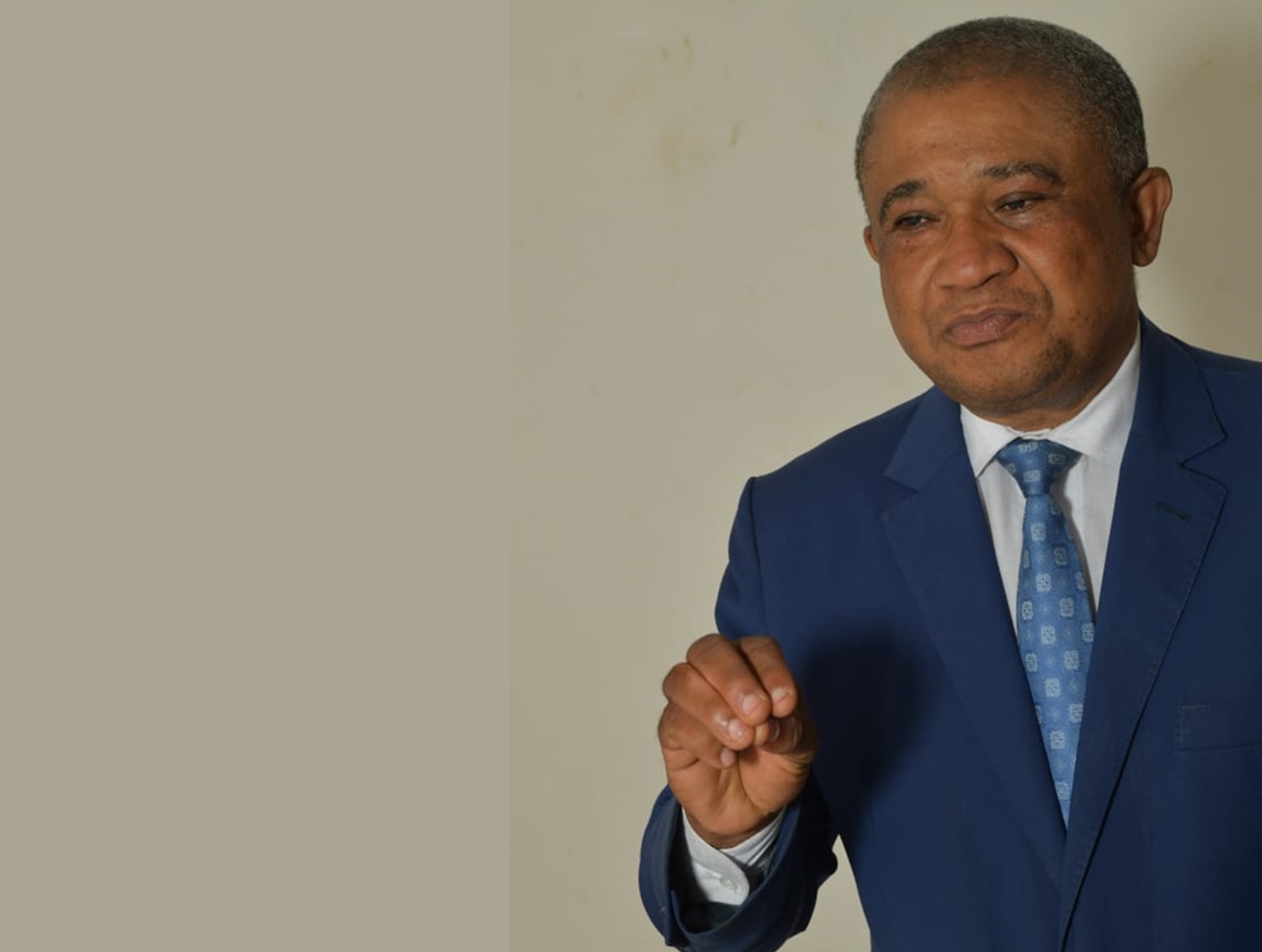
The political party Santé du Peuple (Health of the People) has withdrawn from the second session of the Permanent Consultation Framework (CPC) in Togo. The session commenced on Wednesday, July 1, 2026. The party's departure signifies a strong protest against what they perceive as contradictions within the ruling power's actions and policies. This move by Santé du Peuple highlights a significant rift in the ongoing dialogue between the government and opposition or civil society groups. The specific nature of these contradictions was not detailed in the provided text but appears to be the core reason for the party's disengagement. The Permanent Consultation Framework is intended to foster dialogue and consensus-building, making Santé du Peuple's exit a notable event. Their action places the government in a position where it must address these perceived inconsistencies to potentially regain trust or continue the consultative process. The implications of this withdrawal for future political discussions and stability in Togo remain to be seen.
The withdrawal of Santé du Peuple from the Permanent Consultation Framework (CPC) suggests a potential breakdown in trust and communication between the party and Togo's government. This action, framed as a response to "contradictions," indicates that the party perceives a significant divergence between the government's stated intentions and its actual policies or actions. Such disengagements can signal deeper systemic issues regarding governance, transparency, and the effectiveness of consultative bodies. From a forward-looking perspective, the ability of Togo's political actors to bridge these divides will be crucial for fostering a stable and inclusive political environment. The government's challenge will be to address the underlying concerns that led to this withdrawal, thereby strengthening the legitimacy and functionality of future dialogue mechanisms in the evolving socio-political landscape.
AI-generated to prompt reflection — not editorial opinion, not advice, not a statement of fact. How this works.