Togo Plans 103km of New Asphalt Roads in 2025 Amidst Public Dissatisfaction
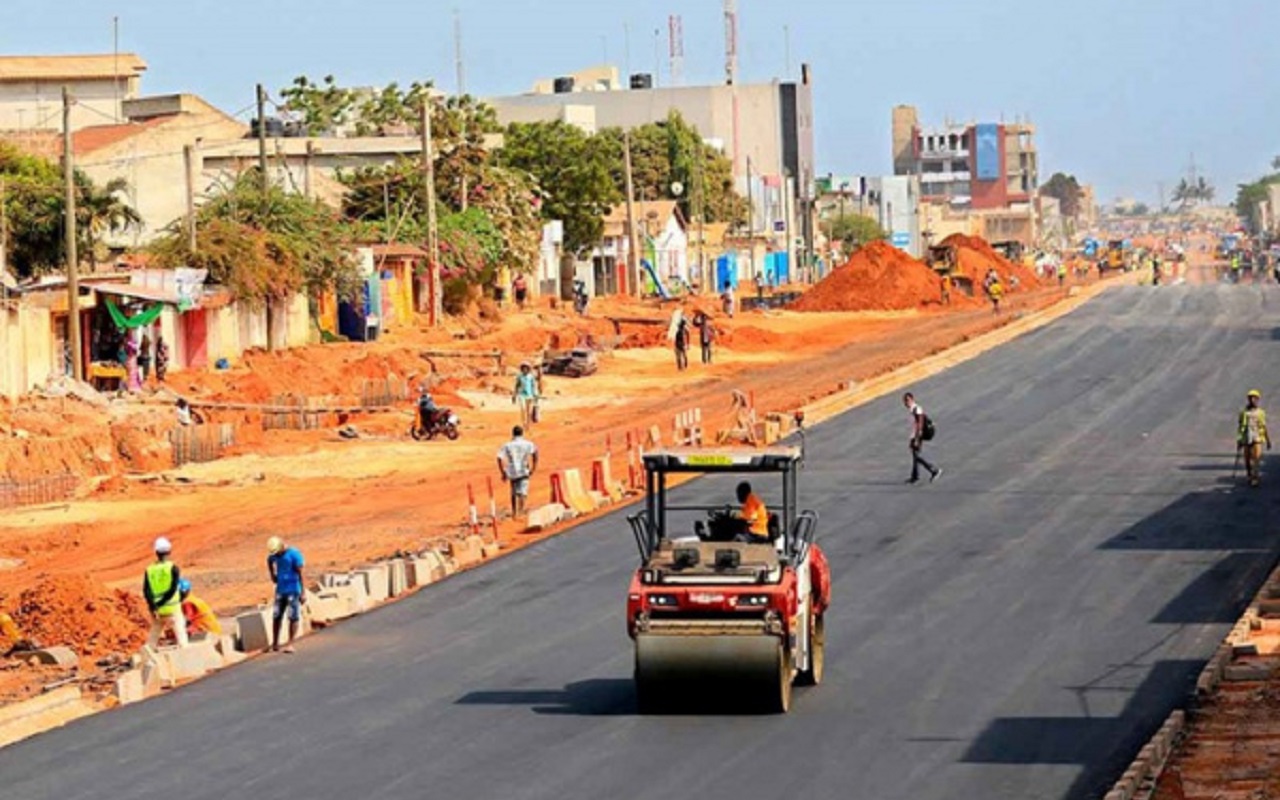
Togo's government has announced plans to pave or rehabilitate 103 kilometers of national roads in 2025. This initiative follows the completion of 39 kilometers of similar roadwork in 2024. The announcement comes amidst reports of general dissatisfaction with the country's infrastructure development. Critics suggest that such road projects are minor distractions from more pressing national issues. The government's focus on this specific achievement highlights a potential disconnect with broader public concerns. Further details on the specific locations and funding for the 2025 projects have not been extensively detailed.
The Togolese government's emphasis on road construction, particularly the 103km target for 2025, appears to be a strategic communication effort aimed at showcasing tangible progress. While road infrastructure is vital for economic development, the framing of this achievement as a major celebration, especially when juxtaposed with public sentiment suggesting neglect of other critical areas, raises questions about resource allocation priorities. From a systems perspective, governments often use visible infrastructure projects to bolster public confidence and demonstrate effective governance. However, the effectiveness of this strategy can be undermined if it is perceived as a superficial response to deeper systemic challenges. Future policy may benefit from a more integrated approach that balances visible infrastructure with investments in social services and economic diversification, ensuring that development gains are broadly shared and address the root causes of public discontent.
AI-generated to prompt reflection — not editorial opinion, not advice, not a statement of fact. How this works.