Togo: Public Space Seizures Raise Questions About President Gnassingbé's Authority
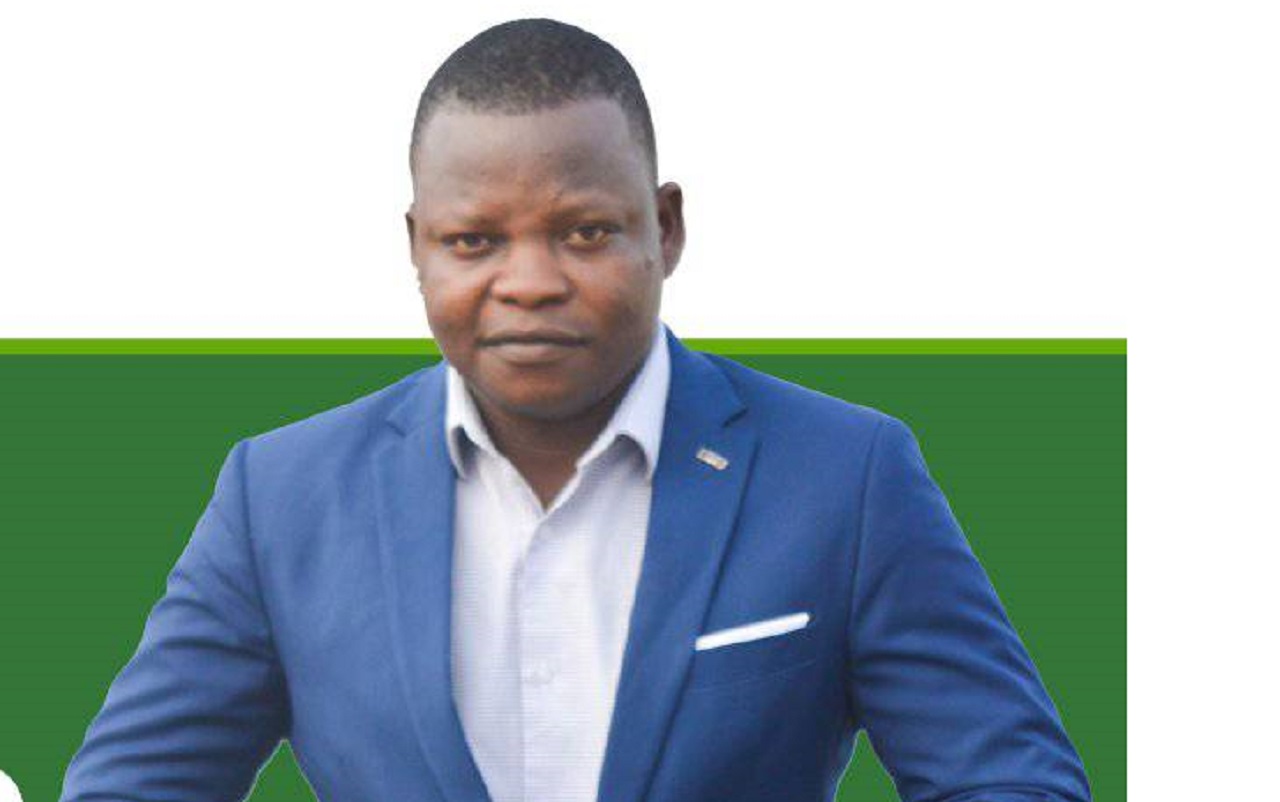
An opinion piece questions the source of President Faure Gnassingbé's perceived "superpower" in Togo. The author suggests that the term, while provocative, may be fitting given recent developments. The article implies a pattern of control over public spaces that warrants deeper examination. It raises concerns about the extent of presidential influence and its implications for democratic expression. The piece calls for an understanding of the underlying factors contributing to this concentration of power. The author aims to stimulate discussion on the nature of governance in Togo.
This opinion piece examines the concentration of power in Togo, specifically questioning the extent of President Gnassingbé's authority through the lens of public space control. The analysis should focus on the structural incentives that might lead to such perceived "superpowers," such as governance frameworks, security apparatuses, and economic dependencies. It's crucial to analyze how these systems might enable or reinforce centralized control, rather than attributing power to an individual's inherent "superpowers." The underlying dynamics could involve the interplay of political stability, economic resources, and the management of dissent within the Togolese context. Understanding these systemic factors is key to assessing the long-term implications for democratic participation and the rule of law in the coming decade.
AI-generated to prompt reflection — not editorial opinion, not advice, not a statement of fact. How this works.