Togo's Corruption Fight: Mo Ibrahim Index vs. On-the-Ground Reality
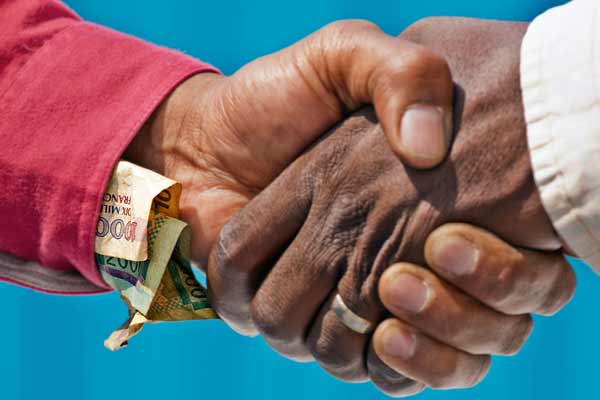
Preliminary results from the 2026 Ibrahim Index of African Governance (IIAG), released on July 8 by the Mo Ibrahim Foundation, indicate that Togo is among the top five African nations to have most improved their anti-corruption efforts between 2016 and 2025. However, this data sharply contrasts with the prevailing conditions within the country, where internal reports suggest widespread dysfunction. The discrepancy raises questions about the methodology used to generate these seemingly positive figures. The IIAG's findings present a narrative of progress in governance, particularly concerning corruption, which appears at odds with the reported on-the-ground realities. This situation prompts an examination of how such indicators are produced and whether they accurately reflect the lived experiences of the population.
The juxtaposition of Togo's reported improvements in anti-corruption metrics by the Mo Ibrahim Foundation with internal assessments of widespread dysfunction highlights a critical governance challenge. This divergence suggests potential systemic issues in data collection, reporting, or the very definition of 'improvement' in anti-corruption efforts. It raises questions about whether official statistics accurately capture the lived realities of citizens or if they are influenced by reporting biases or a focus on administrative processes rather than substantive outcomes. In the long term, a disconnect between perceived governance and actual public service delivery can erode trust and hinder sustainable development, particularly as technological advancements offer new avenues for both transparency and obfuscation.
AI-generated to prompt reflection — not editorial opinion, not advice, not a statement of fact. How this works.