Togo's Gnassingbé Regime: Stability Based on Fear, Not Strength
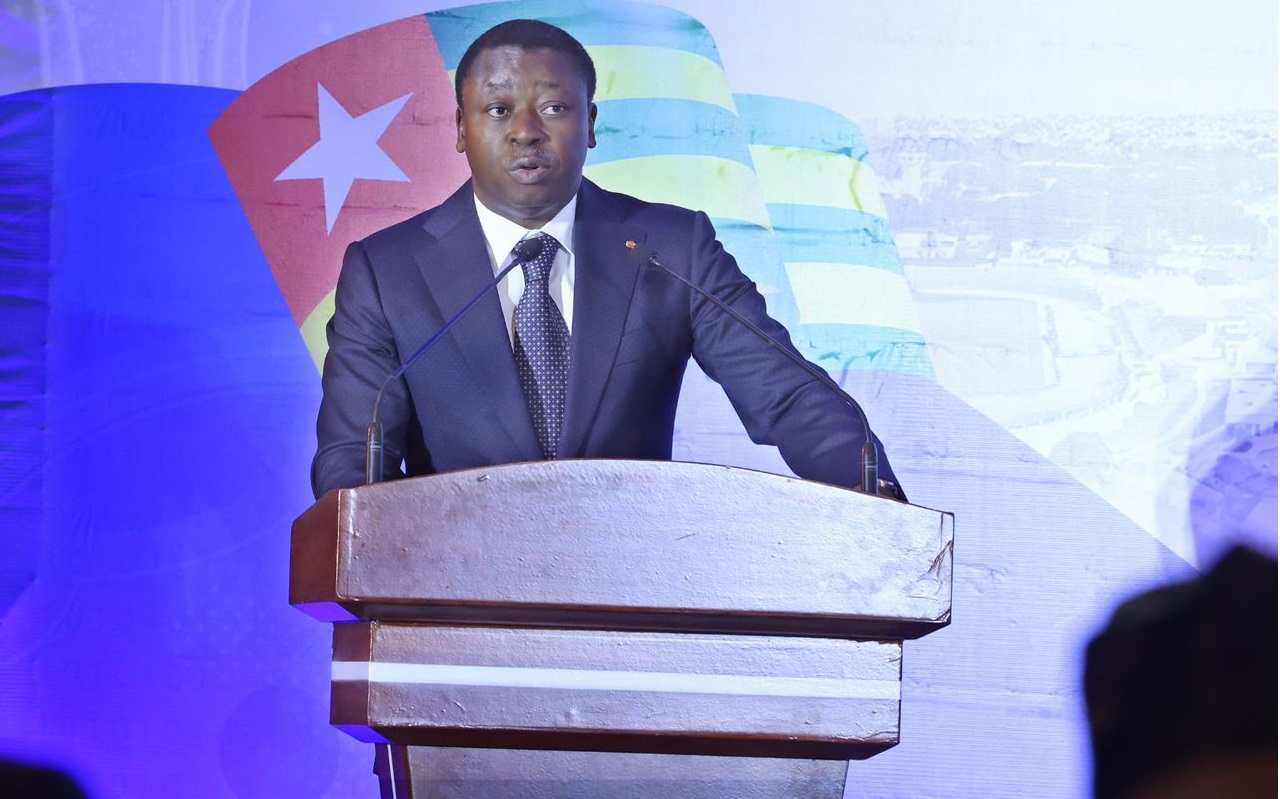
The Gnassingbé regime in Togo is portrayed not as strong, but as reliant on terror for its continued existence. This perspective challenges the notion that President Faure Gnassingbé has significantly bolstered his diplomatic standing on the international stage. Some observers had previously considered him isolated. The article suggests that the regime's perceived stability is a facade maintained through fear rather than genuine popular support or institutional strength. This internal dynamic is presented as a critical weakness, despite outward appearances of diplomatic success. The underlying message questions the long-term viability of a government built on such foundations.
The assertion that the Togolese regime's stability hinges on terror rather than inherent strength suggests a critical examination of governance models that prioritize control over legitimacy. This perspective invites consideration of how international perceptions of diplomatic stature might diverge from domestic realities of public sentiment and institutional resilience. In the context of the evolving global landscape, particularly with the rise of AI and its implications for information dissemination and citizen engagement, regimes relying on coercive measures may face increasing challenges in maintaining long-term stability. The inherent contradiction lies in projecting an image of international influence while potentially fostering internal fragility, a dynamic that future technological and societal shifts could exacerbate.
AI-generated to prompt reflection — not editorial opinion, not advice, not a statement of fact. How this works.