Togo's Governance Criticized Amidst Leader's Lavish Spending and Political Prisoner Concerns
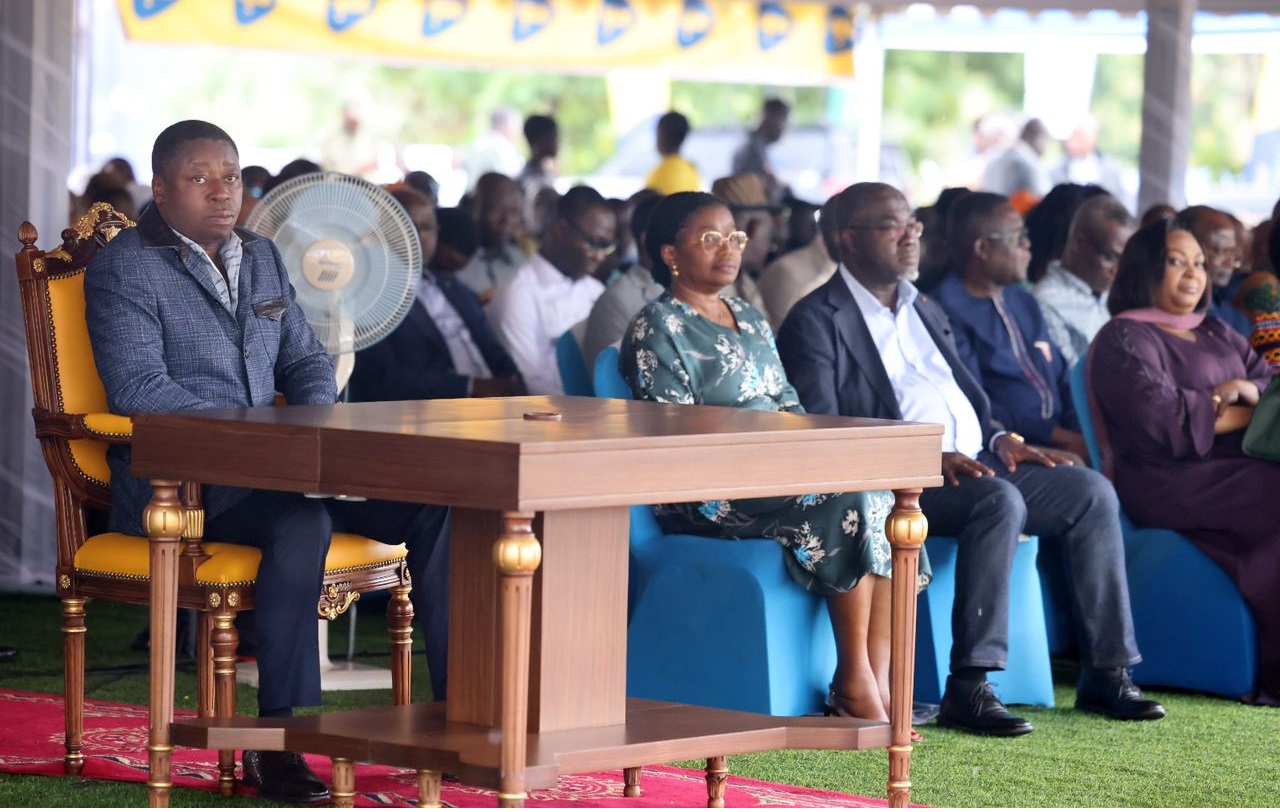
The political governance in Togo, characterized by a dynastic succession from father to son, is facing severe criticism. Critics argue that the Gnassingbé regime, encompassing both the era of the father, Éyadéma, and the current leadership of his son, Faure Gnassingbé, does not prioritize the well-being and happiness of Togolese citizens. Instead, the focus appears to be on personal indulgence, exemplified by a lavish event attended by Faure Gnassingbé in Évalas. This alleged extravagance is contrasted with the perceived neglect of the general populace and the dire conditions faced by political prisoners. Reports suggest that these prisoners are suffering and dying slowly, highlighting a significant human rights concern within the country. The article implies a stark disconnect between the ruling elite's actions and the needs of the people, raising questions about the fundamental purpose and effectiveness of the current administration in serving its citizens.
The reported situation in Togo raises questions about governance models that perpetuate dynastic rule and potentially prioritize elite interests over public welfare. The contrast between perceived lavish spending by leadership and the alleged neglect of citizens, including the concerning conditions of political prisoners, suggests a potential disconnect in governance priorities. Examining the long-term sustainability of such systems requires considering incentive structures for leaders, accountability mechanisms, and the impact on societal development. Future analysis should focus on how transparency, rule of law, and inclusive development strategies can foster greater citizen well-being and mitigate risks associated with concentrated power.
AI-generated to prompt reflection — not editorial opinion, not advice, not a statement of fact. How this works.