Togo's President Criticized for Silence on Key Issues
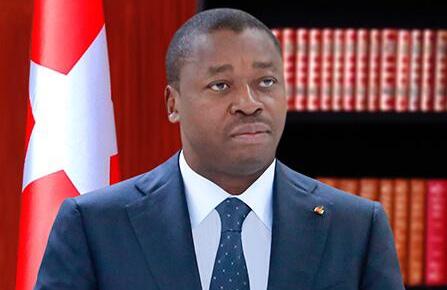
Togo's President Faure Gnassingbé is facing criticism for his perceived silence on significant current events, contrasting with his frequent public statements on less critical matters. He is known to be highly responsive to various current affairs, including holidays like Mother's Day, Father's Day, Easter, Ascension, Assumption, All Saints' Day, Christmas, Tabaski, and Ramadan. Additionally, President Gnassingbé often issues posts to express compassion or condolences for natural disasters occurring in different parts of the world. The criticism suggests a selective engagement with public issues, where less important events receive prompt attention while more substantial matters are met with silence. This selective responsiveness has drawn attention and commentary from observers.
The observed pattern of public communication from President Gnassingbé highlights a potential strategic choice in managing public perception and political capital. By frequently addressing holidays and expressing sympathy for international events, the President may aim to project an image of attentiveness and global awareness. However, the criticism suggests a disconnect between these performative gestures and engagement with more pressing domestic or significant current affairs. This dynamic raises questions about governance priorities and the effectiveness of communication strategies in fostering public trust and addressing substantive issues. Future communication strategies could benefit from a more balanced approach, ensuring that critical matters receive proportionate attention alongside symbolic gestures.
AI-generated to prompt reflection — not editorial opinion, not advice, not a statement of fact. How this works.