Tokyo Olympics Bid Rigging: Production Company and Former Executive Found Guilty
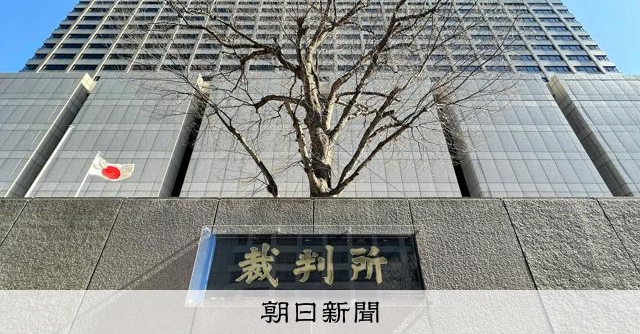
A Tokyo court has handed down guilty verdicts to a television event production company and its former senior managing director in connection with bid-rigging schemes related to the Tokyo 2020 Olympic Games. The company, named as "Events Design" in Japanese media, and its former executive, identified as Masayuki Yagi, were convicted of violating the Antimonopoly Act. Prosecutors alleged that the company and Yagi colluded with other firms to predetermine winning bids for contracts related to the Olympic Games. These contracts involved the planning and production of events and operations for the Games. The court's decision found that the defendants engaged in unfair trade practices by manipulating the bidding process. During the proceedings, Yagi's defense team argued that he was subjected to "coercive interrogation" by prosecutors, suggesting that his confession or cooperation may have been unduly influenced. However, the court ultimately ruled against this defense, finding sufficient evidence to support the guilty verdicts. This case is part of a broader investigation into alleged bid-rigging and bribery surrounding the Tokyo Olympics, which has already led to the arrest of several individuals and the indictment of multiple companies.
The conviction of Events Design and its former executive, Masayuki Yagi, in the Tokyo Olympics bid-rigging scandal highlights systemic vulnerabilities in the procurement processes for major international sporting events. The ruling underscores the importance of robust oversight and transparent competition to prevent collusion and ensure fair market practices. While the defense's claim of coercive interrogation points to potential issues in investigative procedures, the court's decision emphasizes the evidence of anti-competitive behavior. Moving forward, organizers and governing bodies must implement stronger compliance mechanisms and ethical guidelines to safeguard the integrity of future bids, particularly as the scale and financial stakes of such events continue to grow in an increasingly complex global landscape.
AI-generated to prompt reflection — not editorial opinion, not advice, not a statement of fact. How this works.