Tokyo Police Sergeant Arrested for Leaking Investigation Data to Gambling Operation
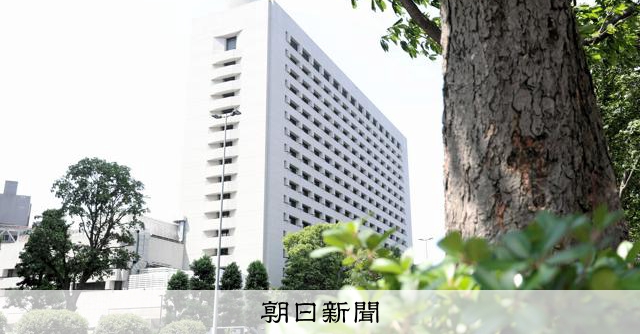
A sergeant with the Tokyo Metropolitan Police Department has been arrested on suspicion of leaking investigation information from another prefectural police force to a gambling establishment. The suspect, identified as 35-year-old Sergeant Kenichi Sato, allegedly disclosed details of an investigation being conducted by the Kanagawa Prefectural Police. The Kanagawa police had been investigating a gambling operation, and Sato is accused of providing them with information that could have compromised their efforts. The leak was reportedly discovered during the Kanagawa police's investigation into the gambling ring. Sato was apprehended by officers from his own department, the Tokyo Metropolitan Police Department, based on evidence gathered by the Kanagawa police. The exact nature of the leaked information and the extent of its impact on the Kanagawa investigation are still under review. Authorities are investigating the motive behind Sato's alleged actions and whether he had any accomplices or if this was an isolated incident. This case raises concerns about internal security and the handling of sensitive information within law enforcement agencies.
This incident highlights potential vulnerabilities in inter-agency information sharing and internal data security protocols within Japanese law enforcement. The alleged leak of sensitive investigation data to a criminal enterprise suggests a critical breakdown in oversight and vetting processes. It raises questions about the incentive structures that might lead an officer to compromise their duties and the systemic safeguards in place to prevent such breaches. Future reforms may need to focus on enhanced digital security measures, more rigorous background checks for personnel handling classified information, and robust auditing mechanisms to detect unauthorized data access promptly. The case underscores the ongoing challenge of maintaining data integrity in an era of increasing digital interconnectedness, even within traditionally secure government institutions.
AI-generated to prompt reflection — not editorial opinion, not advice, not a statement of fact. How this works.