Tokyo's 'over-concentration' phrase removed from economic policy guidelines
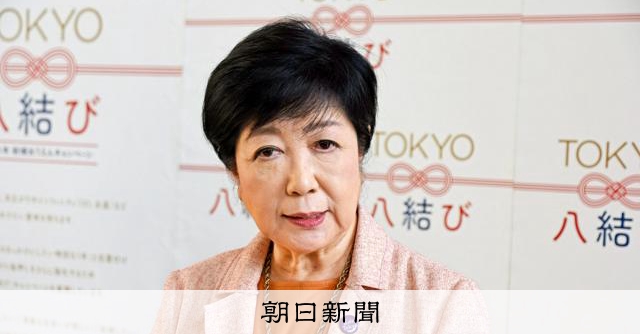
The phrase "over-concentration in Tokyo" has been removed from the "Basic Policies for Economic and Fiscal Management and Reform," commonly known as the "Honebuto no Hoshin" (literally, "bone-tough policies"). This annual government economic strategy document outlines key policy directions for the upcoming fiscal year. Tokyo Governor Yuriko Koike commented that the expression was an "outdated expression." The removal signifies a potential shift in how the government perceives and addresses population and economic concentration within the country. Historically, this phrase has been used to highlight the issue of too many people and resources being drawn to the capital, potentially at the expense of other regions. The decision to remove it from such a prominent policy document suggests a re-evaluation of the narrative surrounding urban development and regional revitalization. It remains to be seen how this change in terminology will translate into concrete policy actions aimed at balancing national development. The government's approach to regional disparities and the future of urban planning may be re-shaped by this linguistic adjustment.
The removal of the phrase "over-concentration in Tokyo" from key economic policy documents suggests a potential recalibration of the government's approach to urban planning and regional development. This linguistic shift may indicate a move away from directly confronting the perceived negative consequences of Tokyo's dominance, possibly to avoid alienating stakeholders or to adopt a more nuanced framing of national development. Future policy initiatives will reveal whether this change reflects a substantive policy adjustment or merely a rhetorical one, impacting the long-term dynamics of regional economic balance and the equitable distribution of resources across Japan. The underlying challenge of managing metropolitan growth and fostering regional vitality persists, regardless of the terminology employed.
AI-generated to prompt reflection — not editorial opinion, not advice, not a statement of fact. How this works.