Toll Collection on BR-251 and BR-116 in Minas Gerais Lacks a Start Date
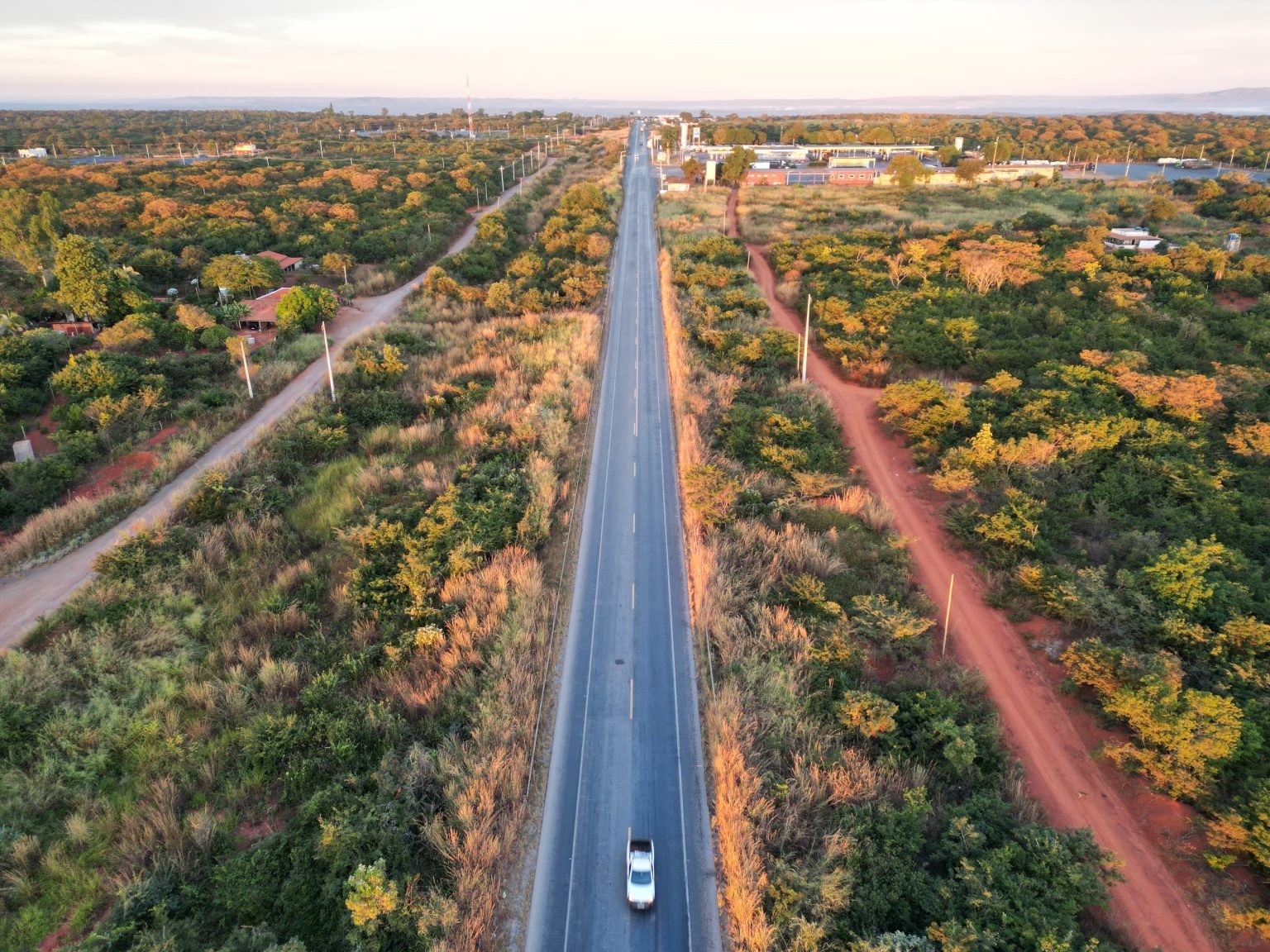
Despite ongoing construction work on the BR-251 and BR-116 highways in Minas Gerais, Brazil, the start date for toll collection remains undefined. Ecovias das Gerais, the concessionaire that won the federal auction for these routes, announced on Monday, May 27th, that toll gantries have not yet been installed. The company stated that after installation, a subsequent phase involving testing, activation, and obtaining necessary permits will take place before any charges can be levied. While road improvements have commenced, user service bases are still under construction, with operations expected to begin by year-end. The National Land Transport Agency (ANTT) will independently verify the concessionaire's compliance with contractual obligations before tolling begins. The system will be electronic, operating under a 'free flow' model without physical toll booths, utilizing license plate recognition or electronic tags for payment. The contract includes a 5% discount for electronic payments, frequent user discounts up to 50%, and toll exemptions for motorcyclists, aiming for a more balanced tariff structure. Nine toll gantries are planned along the BR-251 and BR-116 routes in various locations across Minas Gerais. The concession covers 734.9 kilometers across 26 municipalities, with a 30-year term involving R$13 billion in investments, 70% of which will be applied in the first decade. This corridor is vital for logistics between Brazil's Southeast and Northeast regions, with 90% of traffic comprising heavy vehicles on long-distance journeys.
The delay in initiating toll collection on the BR-251 and BR-116, despite visible construction progress, highlights a common tension in public-private infrastructure partnerships. While the concessionaire is undertaking immediate road improvements under the '100-Day Plan,' the activation of revenue streams is contingent on complex regulatory and technical milestones. This phased approach, while designed to ensure compliance and functionality, can create user uncertainty and potentially impact the concessionaire's cash flow projections. From a systems perspective, the 'free flow' tolling technology, while modern, requires robust infrastructure and verification processes, underscoring the importance of independent oversight by bodies like ANTT to maintain public trust and contractual integrity. The significant investment planned over 30 years, particularly the front-loaded capital expenditure, suggests a strategic focus on rapid network enhancement, but the timeline for full operational and financial maturity remains a critical variable for all stakeholders.
AI-generated to prompt reflection — not editorial opinion, not advice, not a statement of fact. How this works.