Tom DeLay Argues FCC Lacks Authority to Repeal TV Ownership Cap He Helped Create
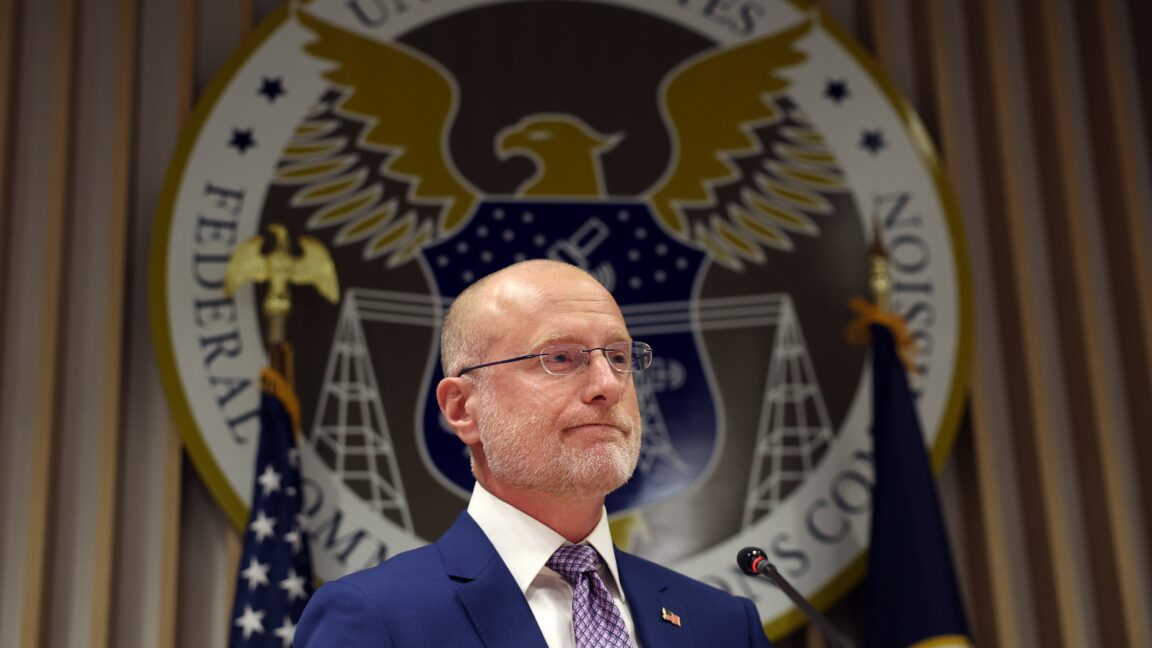
Former House Majority Leader Tom DeLay has stated that the Federal Communications Commission (FCC) does not have the authority to repeal the national television ownership cap. DeLay, who was instrumental in establishing the 39% ownership limit, believes the FCC is overstepping its bounds by attempting to eliminate the rule. Congress originally set this ownership limit, and DeLay contends that only Congress, not the FCC, possesses the power to change it. The current FCC, under the Trump administration, has asserted its authority to abolish the regulation. This dispute highlights a potential conflict between legislative intent and executive agency interpretation of regulatory powers. The outcome of this debate could significantly impact the media landscape and the concentration of media ownership in the United States.
The FCC's assertion of authority to repeal the TV ownership cap, despite legislative history involving figures like Tom DeLay, raises questions about the balance of power between Congress and administrative agencies. This situation reflects ongoing tensions regarding regulatory interpretation and the potential for political influence on media policy. The FCC's action could lead to increased media consolidation, impacting market competition and the diversity of information available to the public. Future regulatory frameworks may need to clarify the scope of agency versus congressional authority to prevent such disputes and ensure stable, predictable media governance in the evolving digital age.
AI-generated to prompt reflection — not editorial opinion, not advice, not a statement of fact. How this works.
