Tomato Byproducts: An Unexpected Use as Livestock Feed
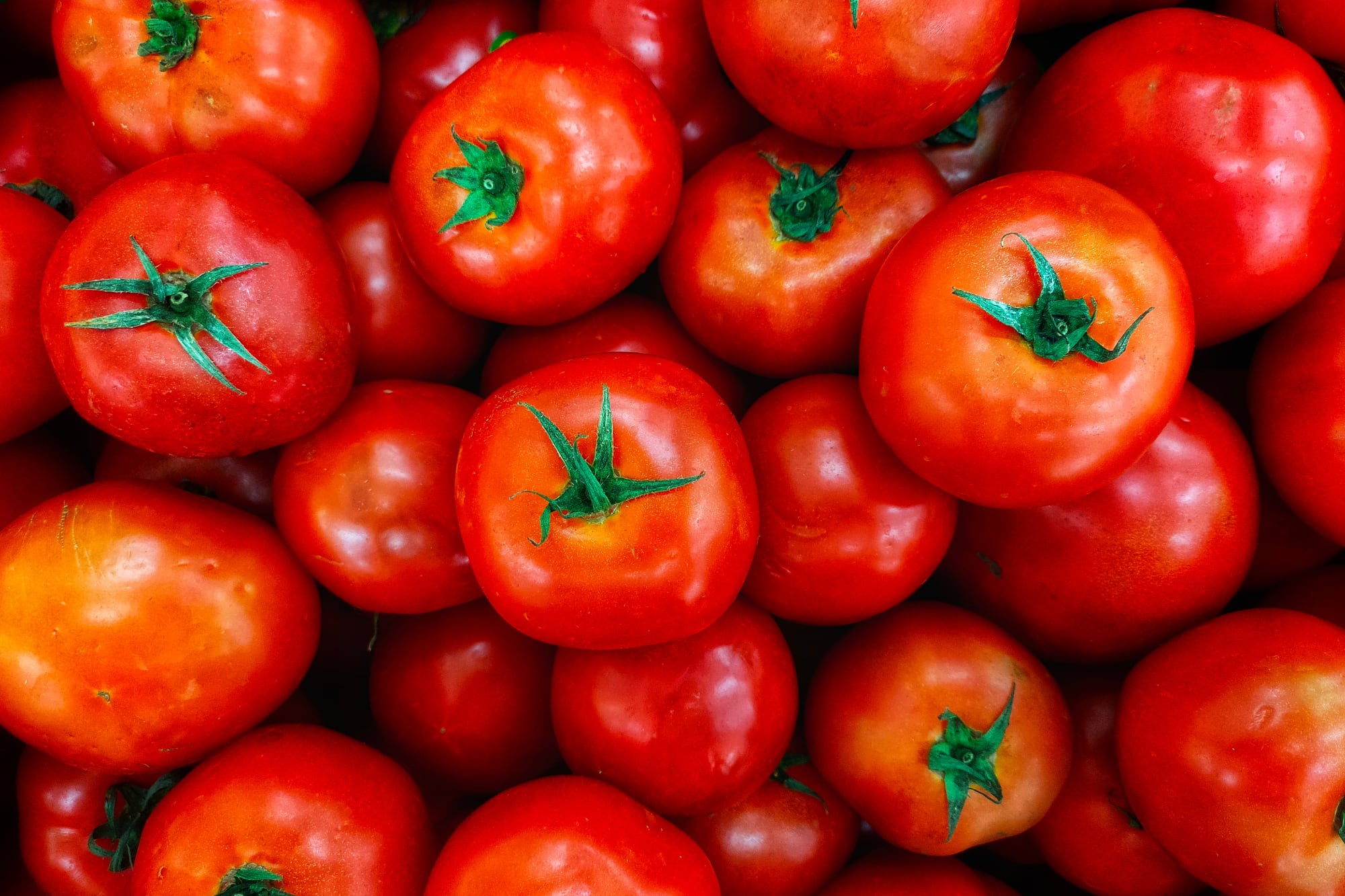
Tomato byproducts, typically not sold commercially, can be repurposed as valuable livestock feed. This transformation is achieved through a proper ensiling process. Ensiling is a method of preserving forage by fermenting it under anaerobic conditions, converting sugars into lactic acid, which acts as a preservative. This technique allows for the storage and utilization of agricultural waste that would otherwise be discarded. By employing this method, farmers can create a nutritious feed source for their animals, reducing waste and potentially lowering feed costs. It is crucial to understand the specific requirements of the ensiling process to ensure the safety and nutritional quality of the final product for livestock consumption. Proper ensiling minimizes spoilage and maximizes the feed value of the tomato byproducts.
Repurposing agricultural byproducts like tomato waste for livestock feed presents an opportunity to enhance resource efficiency within the food system. This practice aligns with circular economy principles by transforming potential waste into a valuable input, thereby reducing disposal needs and potentially lowering operational costs for both food processors and livestock farmers. The effectiveness of such initiatives hinges on the development and dissemination of standardized, cost-effective ensiling techniques that ensure nutritional integrity and animal safety. Future considerations should include assessing the long-term economic viability and environmental impact, as well as exploring further applications for other food processing residues.
AI-generated to prompt reflection — not editorial opinion, not advice, not a statement of fact. How this works.