Top Chinese Official Ma Xingrui Expelled from Communist Party Amid Corruption Probe
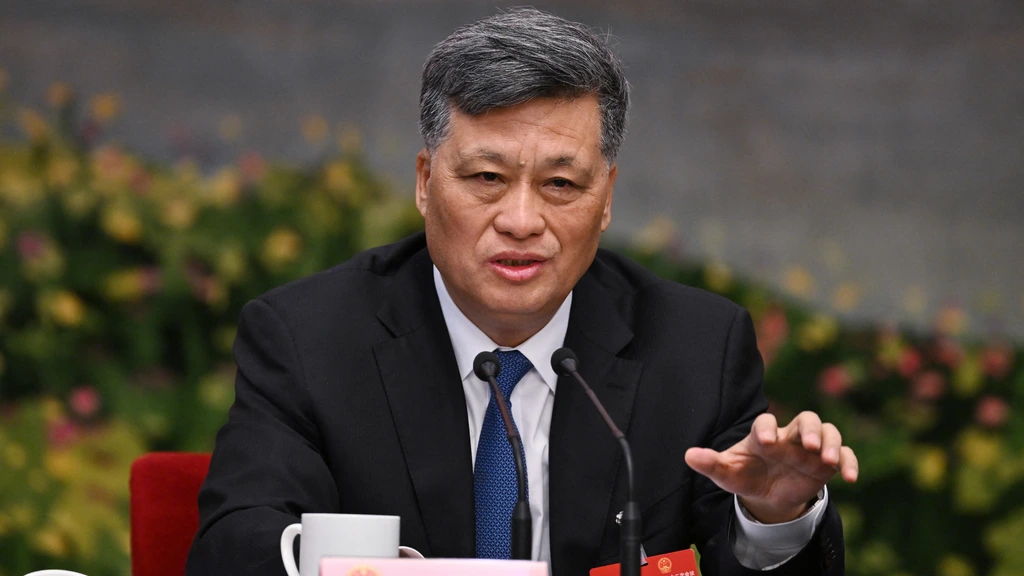
Ma Xingrui, a high-ranking Chinese official and former member of the Communist Party's Politburo, has been expelled from the Party by its anti-corruption body, according to state news agency Xinhua. Ma is accused of arranging jobs for others illicitly and assisting family members in purchasing real estate below market value. He also allegedly received illegal donations and engaged in "power for sex and money for sex," with his family members reportedly accepting large sums of money and assets, described by authorities as large-scale "family corruption." Ma previously served as Party Secretary of the Xinjiang autonomous region from 2021 to 2025, overseeing the region during a period of significant human rights abuses against Uyghurs. His expulsion marks the third Politburo member to leave the Party in a year, underscoring President Xi Jinping's ongoing anti-corruption campaign reaching the highest echelons. Investigations into Ma began in April, revealing further corrupt practices. While specific financial amounts were not disclosed by Chinese media, the severity of the expulsion suggests extreme circumstances. This action follows similar expulsions of high-ranking military officials and former ministers for corruption, with some facing severe penalties. China correspondent Laura van Megen noted that Ma's removal had been anticipated, citing his early replacement as Xinjiang Party Secretary and absences from key meetings.
The expulsion of Ma Xingrui from the Communist Party, particularly from its Politburo, highlights the pervasive nature of President Xi Jinping's anti-corruption drive, extending even to the highest levels of state and Party apparatus. This campaign appears to serve multiple functions: genuine efforts to curb illicit enrichment, a mechanism for consolidating power by removing potential rivals or those perceived as disloyal, and a tool to enforce ideological conformity. The broad definition of corruption in China, encompassing not only financial impropriety but also political failures or perceived insubordination to leadership, suggests a system where adherence to the Party line and the leader's directives are paramount. The systemic implications point to a continued emphasis on loyalty and centralized control in China's governance model, potentially impacting future leadership selection and policy implementation by fostering an environment of caution and strict compliance.
AI-generated to prompt reflection — not editorial opinion, not advice, not a statement of fact. How this works.