Top USP Medical Student Hospitalized After Surgery Complications
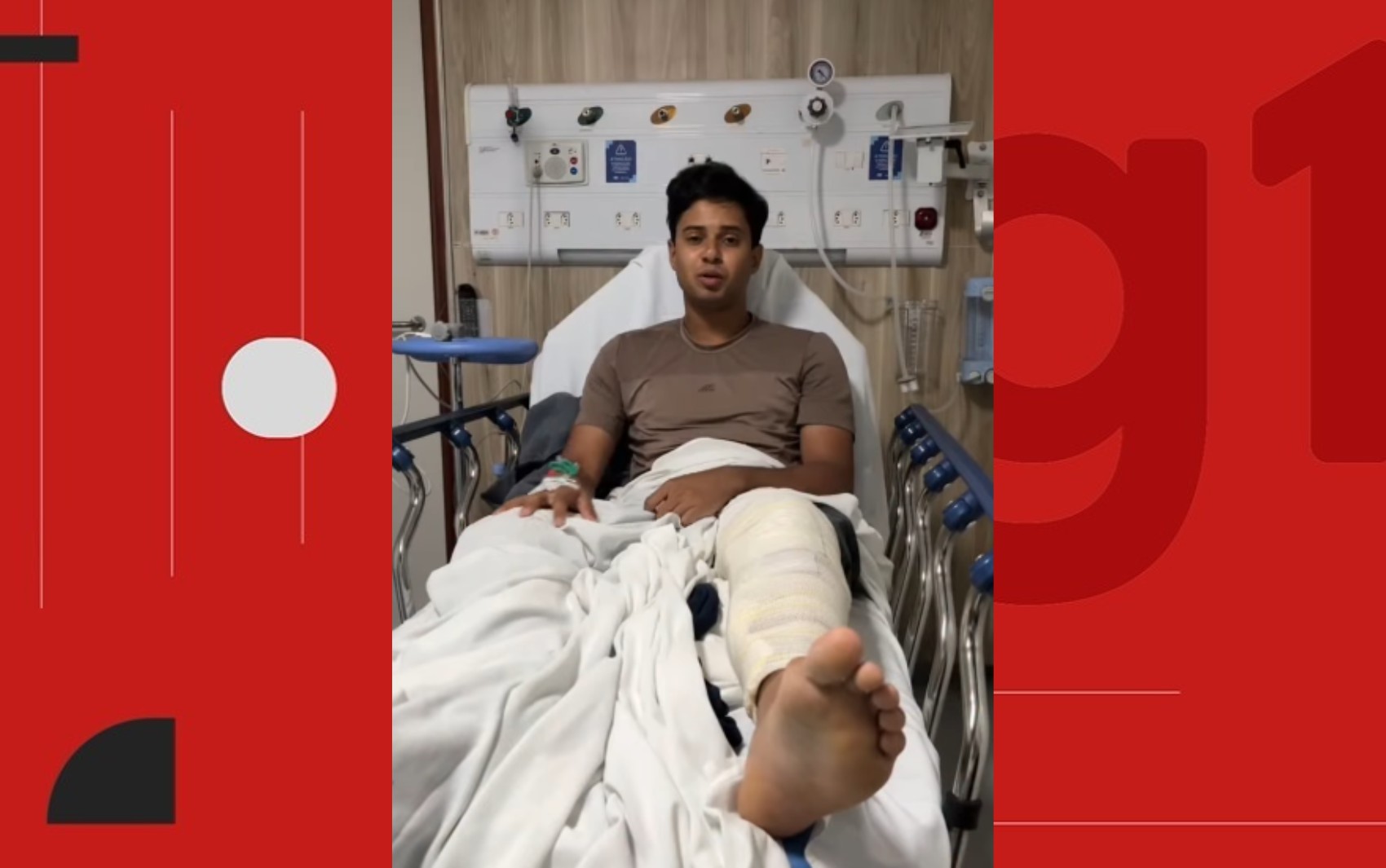
Wesley de Jesus Batista, who achieved the top spot in the University of São Paulo's (USP) Medicine program this year, has been admitted to an Intensive Care Unit (ICU) following complications from a surgical procedure. The surgery, performed on Monday, December 13th, was intended to address lingering issues from a left knee injury sustained in April during university games. At 23 years old, Batista, originally from Bahia, had to step away from daily activities after the initial injury and returned to his hometown for family support. He later returned to São Paulo and, despite using crutches, required further medical intervention. The surgery in São Paulo was expected to last three to four hours but extended to nearly ten hours due to unforeseen complications. On Tuesday, December 14th, Batista experienced respiratory difficulties, increased blood pressure, and tachycardia, necessitating his transfer to the ICU. His family reported on Thursday, December 16th, that he is stable and using an oxygen balloon, with no discharge date yet set. Batista, the first in his family to pursue higher education, gained recognition for a video of his reaction to passing the highly competitive USP medical program via the ENEM national exam. He cited childhood health issues and the social importance of medicine as his inspiration for pursuing the career. His academic success was particularly noteworthy given his limited resources, relying on a basic mobile phone for studies and utilizing school facilities for computer access and practice exams, achieving perfect scores in mathematics, human sciences, and natural sciences.
This narrative highlights the significant pressures and potential risks associated with high-stakes academic achievement and demanding physical activities. The student's journey from a challenging background to top academic honors, juxtaposed with a serious health setback, underscores the complex interplay between personal ambition, systemic support structures, and unforeseen health events. Future considerations for university athletic programs and student health services may involve enhanced pre-participation screenings and post-injury rehabilitation protocols to mitigate such severe outcomes. The incident also prompts reflection on the intense academic competition within Brazil's elite universities and the physical and mental toll it can exact on students striving for excellence.
AI-generated to prompt reflection — not editorial opinion, not advice, not a statement of fact. How this works.