Tornado Strikes Northwest Rio Grande do Sul, Injuring Seven
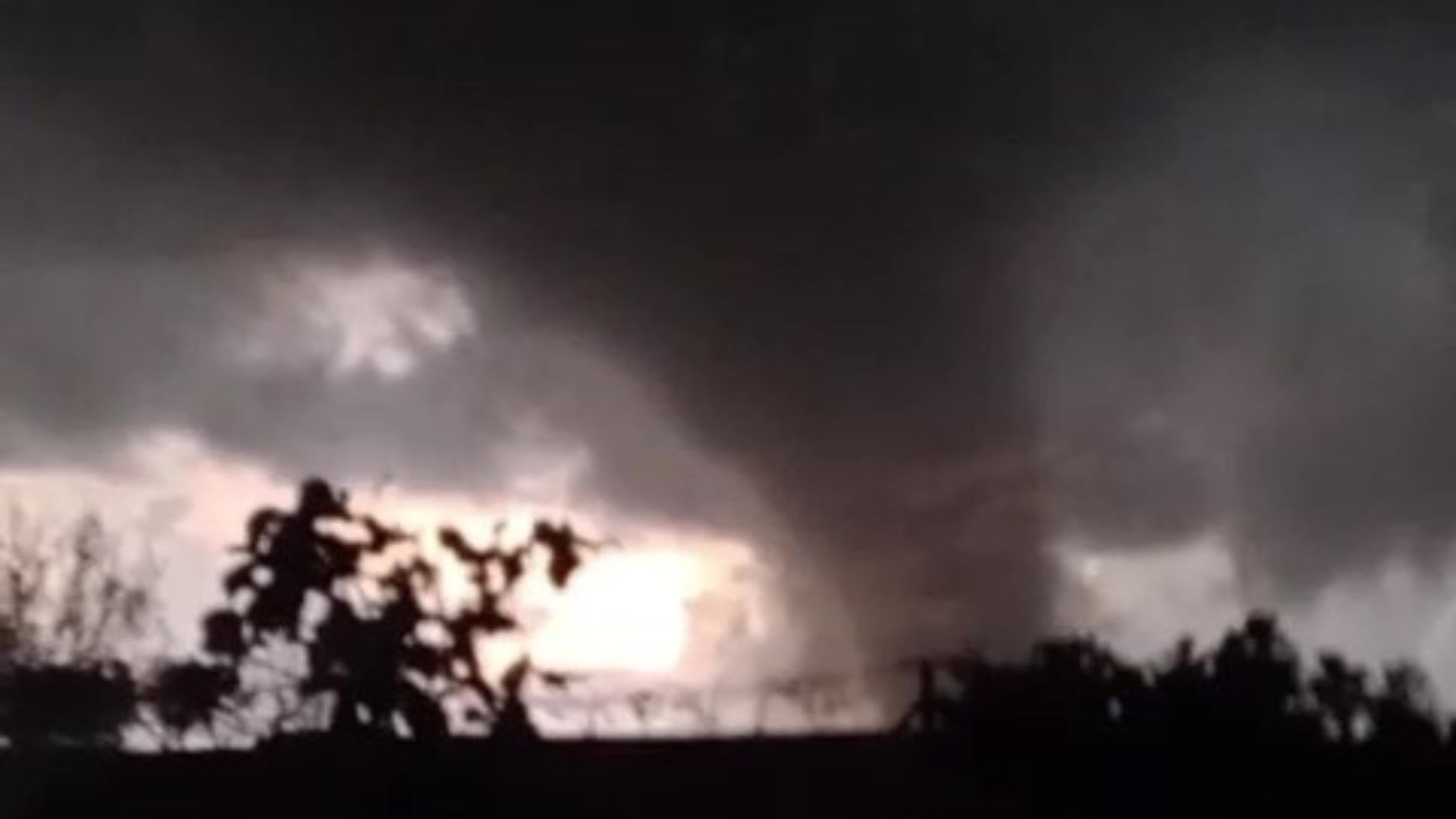
A powerful tornado, attributed to a supercell thunderstorm, impacted three municipalities in the Northwest region of Rio Grande do Sul, Brazil, on Tuesday evening, July 28th. The affected cities were Giruá, Sete de Setembro, and Senador Salgado Filho. Seven people sustained injuries as a result of the extreme weather event. Damage reported includes roofs being torn off, trees and utility poles falling, and two homes in Sete de Setembro being completely destroyed. In Giruá, at least four individuals were injured, and numerous trees fell, with some communities experiencing severe residential damage and light hail. Senador Salgado Filho reported damage to 12 houses and affected 50 people, with destructions to roofs, trees, and the electrical grid. Due to the absence of local meteorological stations, precise wind speeds could not be determined. Radar imagery from Chapecó, Santa Catarina, confirmed the phenomenon over Rio Grande do Sul territory around 6:25 PM, originating from a supercell characterized by a rotating updraft. Local authorities, including the Civil Defense and municipal governments, mobilized emergency response teams, including firefighters, health services, and public works, to provide assistance, clear debris, and assess the full extent of the damage. One resident of Giruá captured footage of the tornado's formation, describing the experience as "like something out of a movie."
The event highlights the vulnerability of regions lacking robust meteorological monitoring infrastructure to extreme weather phenomena. The classification of the event as a tornado, linked to a supercell, underscores the importance of advanced weather forecasting and early warning systems for public safety. The damage assessment and response efforts demonstrate the critical role of coordinated emergency services. Looking ahead, integrating advanced AI-driven weather prediction models and enhancing community preparedness protocols could significantly mitigate the impact of such events, particularly in areas prone to severe convective storms. The incident also serves as a reminder of the increasing frequency and intensity of extreme weather events globally, potentially linked to broader climate shifts, necessitating proactive adaptation strategies.
AI-generated to prompt reflection — not editorial opinion, not advice, not a statement of fact. How this works.