Tornado Strikes Rio Grande do Sul, Brazil, Causing Injuries and Damage
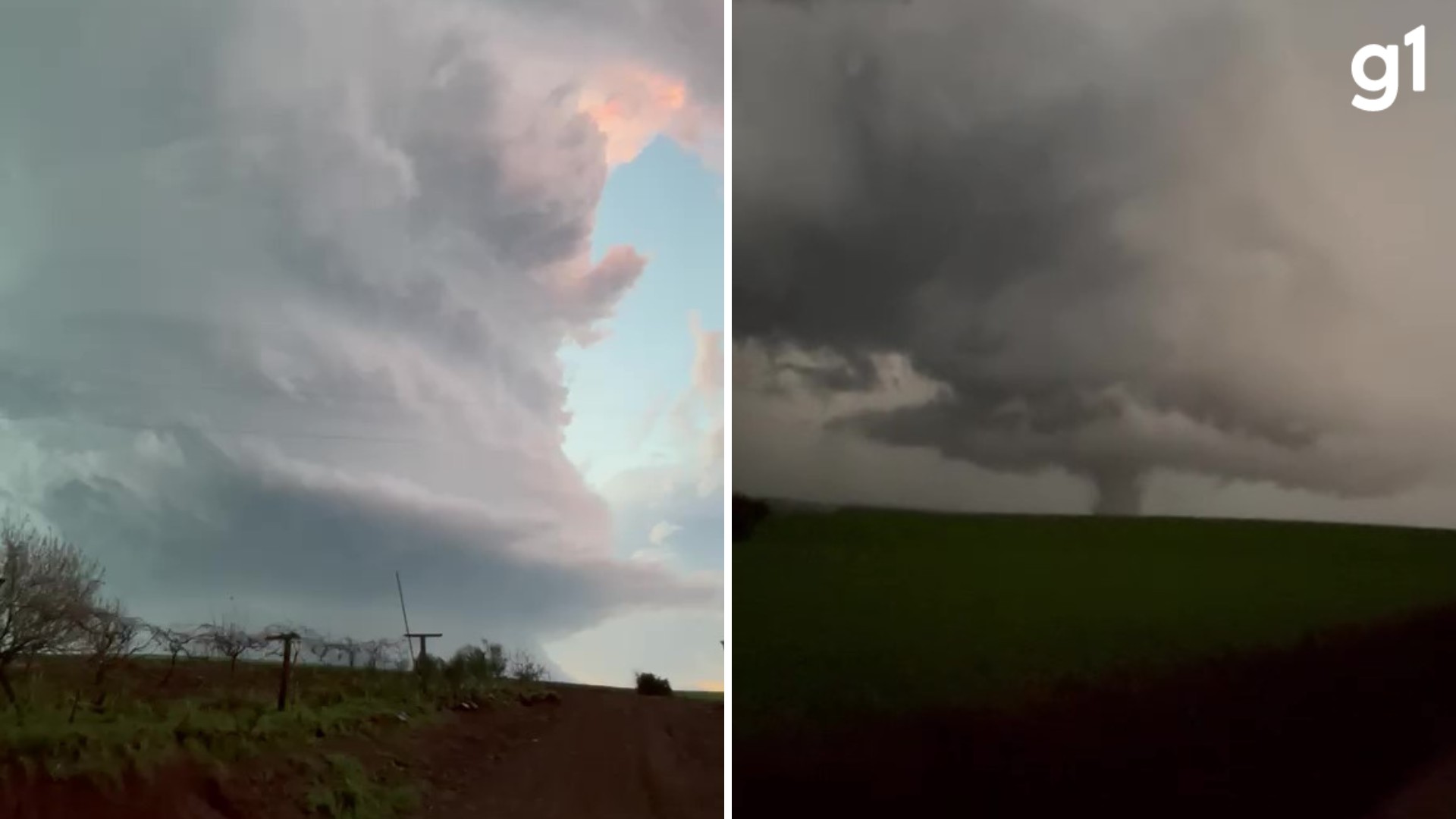
A powerful tornado struck several municipalities in the northwestern region of Rio Grande do Sul, Brazil, on Tuesday, July 28th, causing injuries and significant damage. Renan Bayer, a farmer from Giruá, captured dramatic footage of the tornado's formation, describing the experience as "like something out of a movie." The tornado was observed in Giruá, Sete de Setembro, and Senador Salgado Filho. According to the Civil Defense Monitoring Center, the event occurred around 6:25 PM, associated with a supercell thunderstorm known for producing large hail, intense winds, and, occasionally, tornadoes. Bayer recounted having to flee the area after filming the phenomenon's advance. While Bayer himself was unharmed, he reported that a neighbor's farm buildings were destroyed by the strong winds. As of Tuesday evening, at least seven people were reported injured across the affected cities. In Sete de Setembro, three individuals were hospitalized, and two homes were completely destroyed. Giruá experienced severe damage to residences, with at least four people injured and numerous trees felled. Senador Salgado Filho also reported damage to properties, including roofs torn off, fallen trees, and power outages, affecting 12 homes and 50 people. Local authorities mobilized emergency services, including firefighters, health departments, and civil defense, to provide assistance, clear roads, and assess the damage. The municipality of Giruá issued a statement confirming the mobilization of resources to aid affected communities and ensure the safety and well-being of residents.
The occurrence of a tornado in Rio Grande do Sul highlights the increasing frequency and intensity of extreme weather events, potentially linked to broader climate shifts. While the immediate focus is on disaster response and recovery, understanding the meteorological conditions, such as the supercell formation, is crucial for improving early warning systems. The event underscores the vulnerability of infrastructure in affected regions and the need for resilient building practices. Future preparedness strategies should consider enhanced meteorological monitoring and community education on tornado safety protocols to mitigate risks associated with such phenomena in a changing climate.
AI-generated to prompt reflection — not editorial opinion, not advice, not a statement of fact. How this works.