Tornados in Chile: Experts Explain Causes and Rising Frequency
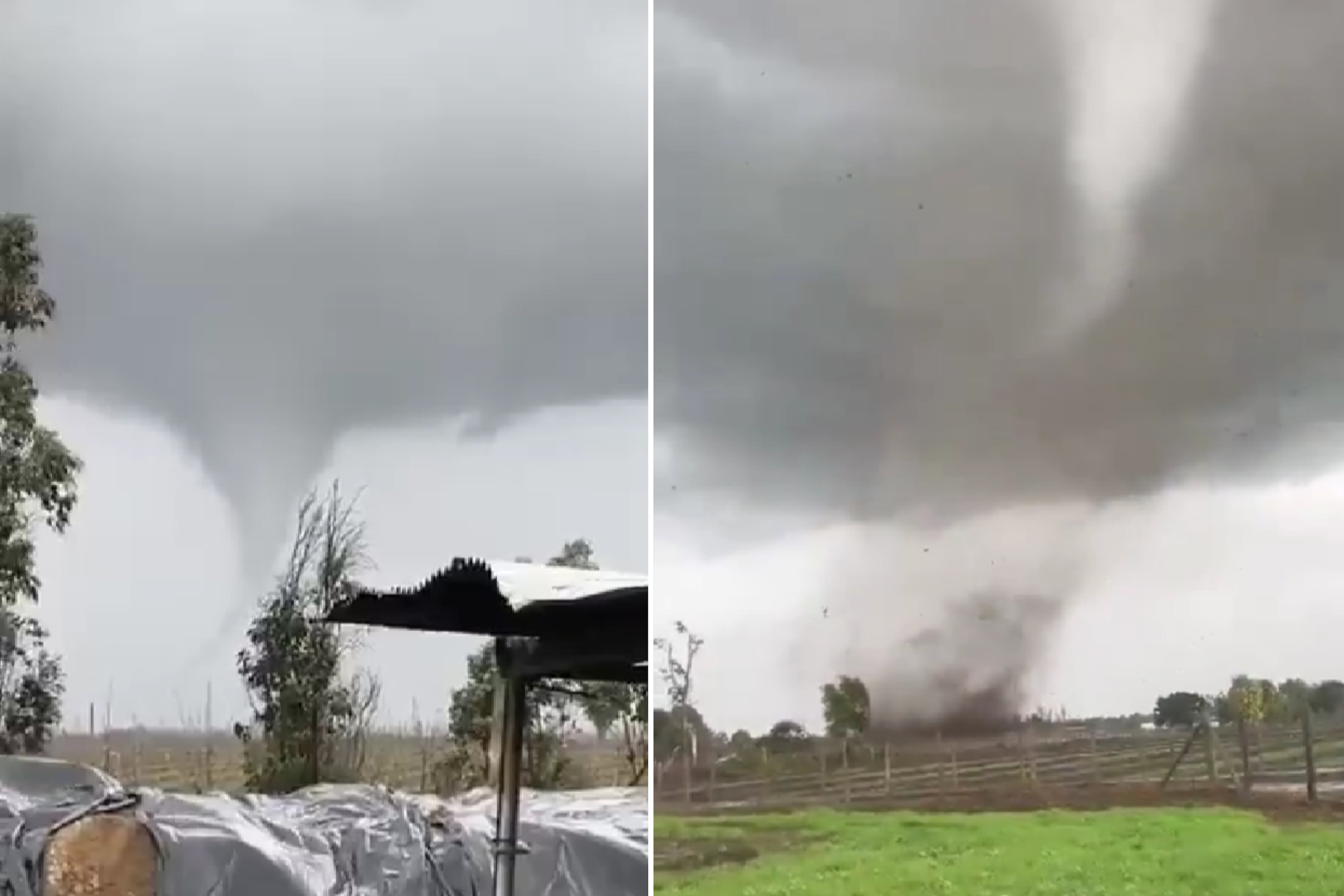
Tornados require specific atmospheric conditions to form, including warm, moist air near the surface, cold air at higher altitudes, and a significant Coriolis force. These elements combine to create the unstable environment necessary for these powerful weather events. While the exact frequency of tornados in Chile is a subject of ongoing study and discussion among meteorologists, the conditions conducive to their formation are well-understood. Specialists are examining whether an increase in these phenomena is occurring and what factors might be contributing to any observed changes. The interplay of temperature gradients and atmospheric rotation is crucial for the development of tornadic activity. Further research aims to clarify the trends and underlying causes of tornado occurrences in the region. Understanding these meteorological dynamics is key to improving forecasting and preparedness.
The formation of tornados is a complex meteorological event driven by specific atmospheric conditions. While the source outlines the necessary ingredients—warm surface air, cold upper air, and Coriolis force—it also touches upon the potential for an increase in their frequency. This raises questions about the influence of broader climate patterns and potential shifts in atmospheric stability. Examining these trends through the lens of climate science and meteorological modeling can provide insights into future risks and the effectiveness of current forecasting systems. Understanding the drivers of such extreme weather events is crucial for long-term societal resilience and adaptation strategies in the face of evolving environmental conditions.
AI-generated to prompt reflection — not editorial opinion, not advice, not a statement of fact. How this works.