Toronto Chokes on Wildfire Smoke, Declared World's Worst Air Quality
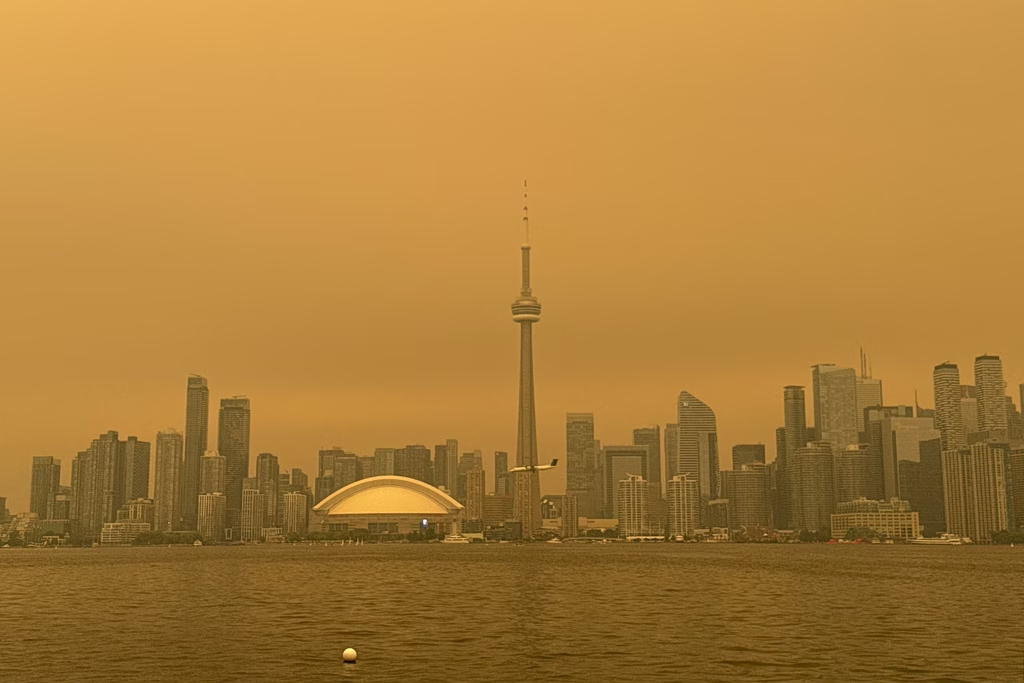
Toronto has experienced the worst air quality globally in recent days due to dense smoke from uncontrolled wildfires raging in northwestern Ontario. The smoke has blanketed the sky over the Canadian metropolis, prompting health authorities to issue warnings. Residents have been advised to remain indoors to avoid the hazardous conditions. The situation highlights the far-reaching impact of large-scale wildfires, which can affect air quality across vast distances. The specific date of the event is not provided, but it is described as occurring over the last 24 hours. The source includes a tweet from Alert Geo dated July 15, 2026, showing a wildfire in Northern Ontario, Canada. Further details on the extent of the fires or specific health advisories are limited in the provided text.
The severe air quality event in Toronto, driven by wildfire smoke, underscores the interconnectedness of environmental systems and the transboundary impacts of climate-related disasters. This situation demonstrates how localized ecological events, such as large forest fires, can rapidly escalate into public health crises affecting major urban centers hundreds of kilometers away. The reliance on issuing health warnings and advising residents to stay indoors points to reactive public health measures rather than proactive, systemic solutions to mitigate smoke pollution. Looking ahead, the increasing frequency and intensity of wildfires, linked to climate change, suggest that cities worldwide will face similar challenges, necessitating investments in air quality monitoring, public alert systems, and long-term strategies for forest management and emissions reduction.
AI-generated to prompt reflection — not editorial opinion, not advice, not a statement of fact. How this works.