Touba Grand Magal: Economic Impact of Religious Event Estimated in Billions
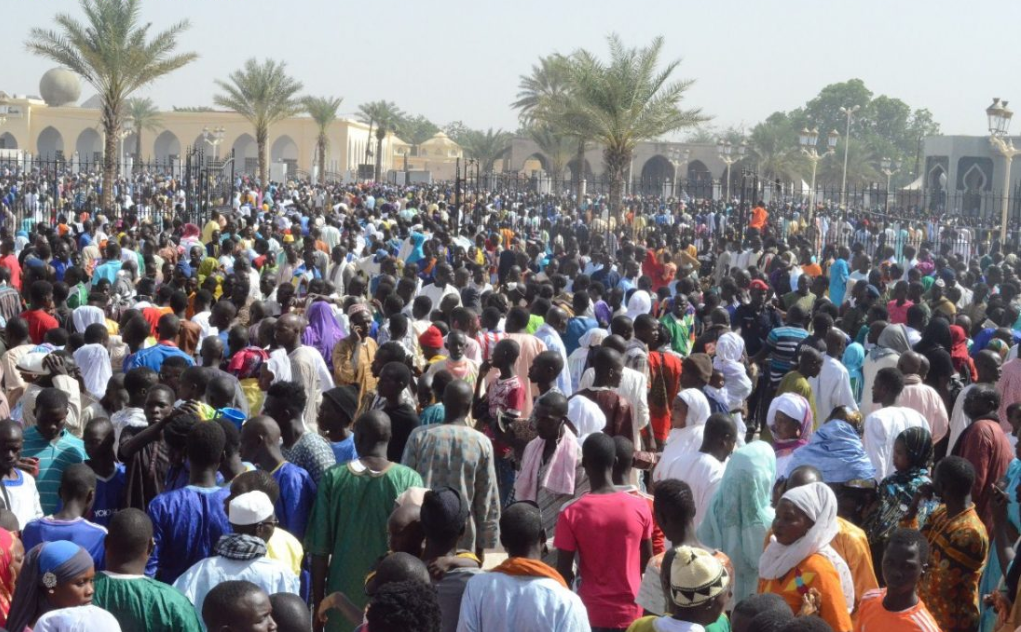
Economist Moubarack Lo's study highlights the significant economic scale of the upcoming Grand Magal of Touba 2026, an important religious gathering. The study, reviewed by Senego, indicates a substantial increase in attendance over the years. In 2011, the event drew approximately 3 million pilgrims. By the time of the latest figures, this number had grown to an estimated 6.5 million participants. This surge in attendance directly translates into considerable economic activity and financial stakes surrounding the pilgrimage. The economic implications of such a large influx of people are multifaceted, involving various sectors and generating substantial revenue. The exact financial figures are still being assessed, but the scale suggests hundreds of billions are involved in the event's economy.
The Grand Magal of Touba represents a significant convergence of religious devotion and economic activity, demonstrating how large-scale cultural events can drive substantial financial flows. The increasing participation numbers suggest a growing influence and reach of the event, presenting both opportunities and challenges for local and national economies. Managing the logistical and economic impacts of such a large gathering requires robust planning and infrastructure development. Future considerations may include sustainable economic models that benefit the local community while preserving the event's spiritual significance, especially as digital technologies and evolving travel patterns could reshape pilgrimage dynamics in the coming decade.
AI-generated to prompt reflection — not editorial opinion, not advice, not a statement of fact. How this works.