Tour de France 2026 Kicks Off in Barcelona with Pogacar Aiming for Fifth Title
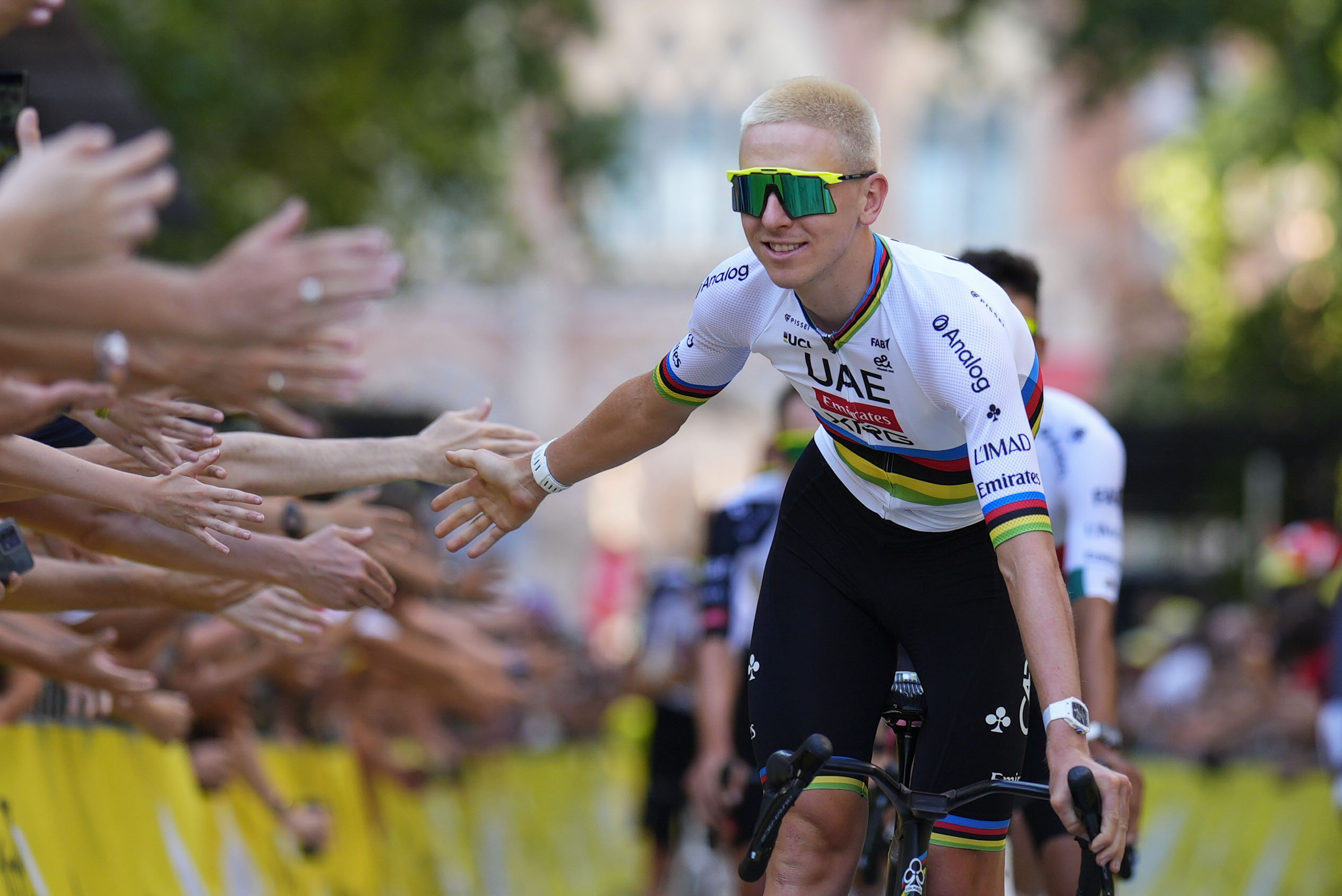
The 113th edition of the Tour de France will commence on Saturday, July 4, 2026, in Barcelona, Spain, marking a historic start from Catalonia. The race will conclude in Paris on July 26, covering 21 stages and a total distance of 3,334 kilometers with 54,540 meters of accumulated elevation gain. Slovenian cyclist Tadej Pogacar is the overwhelming favorite to win his fifth Tour de France title, a feat that would place him in the company of cycling legends like Anquetil, Merckx, Hinault, and Indurain. Barcelona, which previously hosted the Tour in 2013, is also celebrating recent significant events, including a papal visit and the inauguration of the Sagrada Familia's reforms. The 2026 Tour features two time trials, one individual and an initial team time trial, with significant mountain stages spread across five French massifs, including five summit finishes. The iconic Alpe d’Huez will serve as a crucial decider in two consecutive stages. Pogacar, aged 27, has had a dominant season with 13 victories in 16 competition days. His primary rival is expected to be Denmark's Jonas Vingegaard, the winner of the 2025 Vuelta a España and the recent Giro d'Italia, who aims to recover his previous form after a serious crash in the 2024 Itzulia. French hope lies with 19-year-old Paul Seixas, who has impressed this season and carries the aspirations of a nation seeking its first French winner since Bernard Hinault in 1985. The sprint stages will see a competitive field, including Tim Merlier, Jasper Philipsen, and Mads Pedersen.
The 2026 Tour de France's decision to start in Barcelona highlights the increasing globalization of major sporting events and the strategic importance of international appeal for event organizers. Pogacar's pursuit of a fifth title presents a narrative of sustained excellence, potentially reshaping historical records. However, the competitive landscape, with rivals like Vingegaard and emerging talents like Seixas, suggests that the race will be determined by a complex interplay of rider form, team strategy, and the demanding course design, which includes significant mountain challenges and time trials. The event's success will depend not only on athletic performance but also on its ability to engage a diverse global audience and navigate the evolving media and sponsorship landscape in the coming decade.
AI-generated to prompt reflection — not editorial opinion, not advice, not a statement of fact. How this works.