Tour de France Cyclist Sep Kuss Survives Dramatic Tunnel Crash
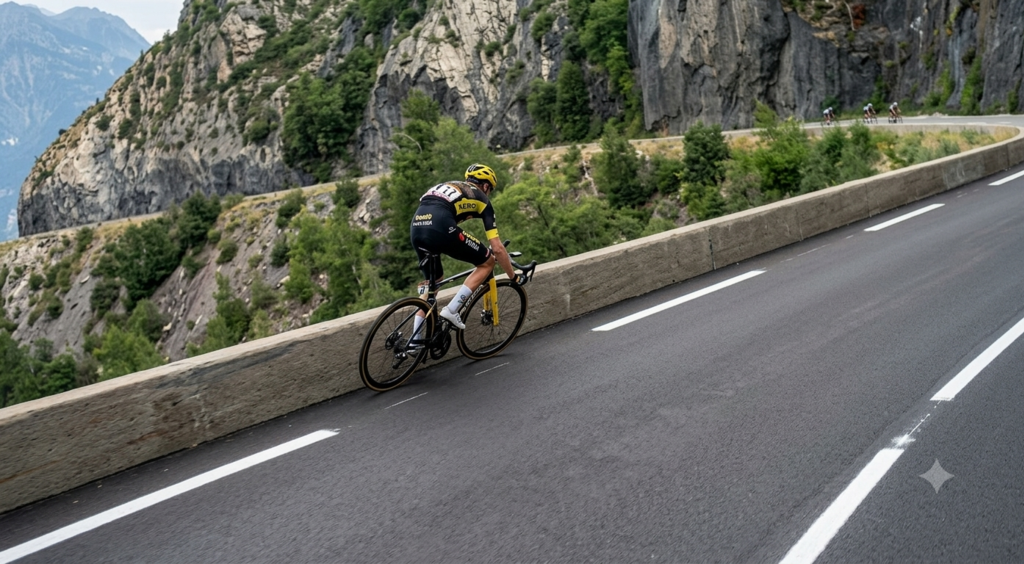
During the 20th stage of the Tour de France, American cyclist Sep Kuss experienced a frightening crash inside a dark and wet tunnel. Kuss was in contention for victory on the stage when he lost control and slipped. The fall was severe, but Kuss managed to avoid serious injury, reportedly due to safety nets. He was able to get back up and continue the race after the incident. The dramatic event occurred as riders navigated challenging conditions, highlighting the inherent risks in professional cycling. The near-miss underscores the importance of safety measures in high-speed sporting events, even those seemingly routine like a tunnel passage. Kuss's ability to remount and continue demonstrates his resilience as an athlete.
This incident in the Tour de France highlights the critical intersection of athlete performance, environmental conditions, and safety infrastructure. While the outcome was fortunate, the event prompts consideration of risk management protocols in professional cycling, particularly concerning visibility and surface conditions in tunnels. Future race planning and course design may benefit from enhanced assessments of such high-risk segments to mitigate potential hazards. The reliance on safety nets, while effective in this instance, points to a reactive rather than proactive approach to preventing such incidents. Examining the incentives for maintaining high speeds in potentially compromised environments is also relevant for ensuring long-term athlete welfare and the integrity of the sport.
AI-generated to prompt reflection — not editorial opinion, not advice, not a statement of fact. How this works.