Tour de France Cyclists Outraged by Late-Night Doping Controls
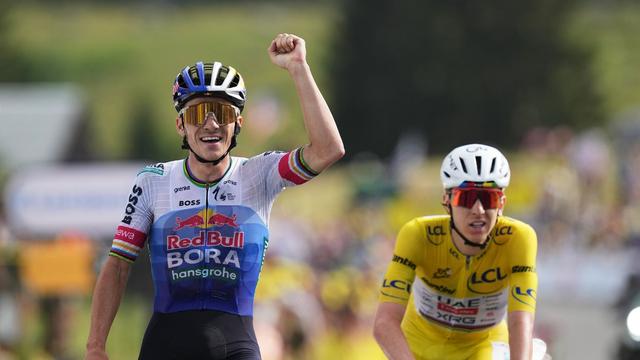
Professional cyclists participating in the Tour de France have expressed strong dissatisfaction with the timing of doping control checks. Several prominent riders have described the late-night controls as "shameful" and "unacceptable," arguing that they disrupt crucial rest periods. The checks, which have been conducted during the night, are reportedly impacting the athletes' ability to recover effectively between demanding race stages. This situation has led to significant frustration among the peloton, with many feeling that their well-being and performance are being compromised by these intrusive measures. The cyclists believe that the timing of these controls is counterproductive to maintaining fair competition and ensuring the health of the athletes. They are calling for a review of the procedures to ensure they are conducted at more appropriate times, allowing for adequate rest and recovery.
The timing of anti-doping controls during major sporting events like the Tour de France presents a complex logistical and ethical challenge. While the imperative for rigorous testing to ensure fair play is paramount, the impact on athlete recovery and performance cannot be disregarded. The current approach, characterized by late-night checks, may inadvertently create a performance disadvantage for athletes who prioritize rest. Future strategies could explore less disruptive testing windows or advanced biological passport monitoring, balancing the need for integrity with the physiological demands of elite competition. This situation highlights the ongoing tension between regulatory oversight and the practical realities of professional sports, prompting a need for adaptive protocols that respect both fairness and athlete welfare.
AI-generated to prompt reflection — not editorial opinion, not advice, not a statement of fact. How this works.