Tour de France Cyclists Struggle with Extreme Heat: "It's Not Healthy"
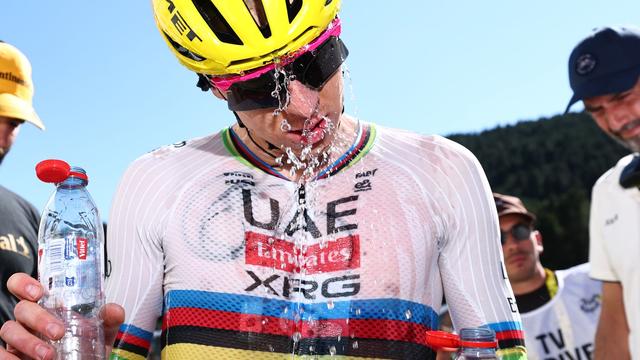
Cyclists participating in the Tour de France are facing extreme heat conditions, with riders describing the situation as unhealthy. The intense temperatures pose significant challenges to the athletes' physical well-being and performance during the demanding multi-stage race. This extreme weather raises concerns about rider safety and the potential impact on the competition's integrity. Organizers and medical teams are likely monitoring the situation closely to ensure the health of the participants. The prolonged exposure to high temperatures can lead to dehydration, heatstroke, and other serious health issues, potentially forcing riders to withdraw from the race. The extreme heat is not only a physical burden but also a mental one, as cyclists must constantly manage their fluid intake and body temperature. The event's route and schedule may be reviewed in light of these dangerous conditions. The impact of such heat on recovery between stages is also a major concern for the riders' endurance. The overall health and safety of the athletes remain the paramount concern amidst these challenging environmental factors.
The extreme heat during the Tour de France highlights the inherent tension between athletic spectacle and human physiological limits. As sporting events increasingly push the boundaries of endurance, organizers face a growing imperative to integrate robust environmental risk assessments into their planning. This includes evaluating the feasibility of adjusting schedules or routes in response to predicted or experienced extreme weather events. The long-term sustainability of such high-profile endurance competitions may depend on developing adaptive strategies that prioritize athlete welfare without compromising the event's core competitive structure. Future iterations of the Tour de France and similar events will likely need to incorporate more sophisticated climate-resilient protocols, considering the accelerating trends in global weather patterns and their impact on outdoor athletic performance.
AI-generated to prompt reflection — not editorial opinion, not advice, not a statement of fact. How this works.