Tour de France: Late-night doping controls spark controversy among cyclists
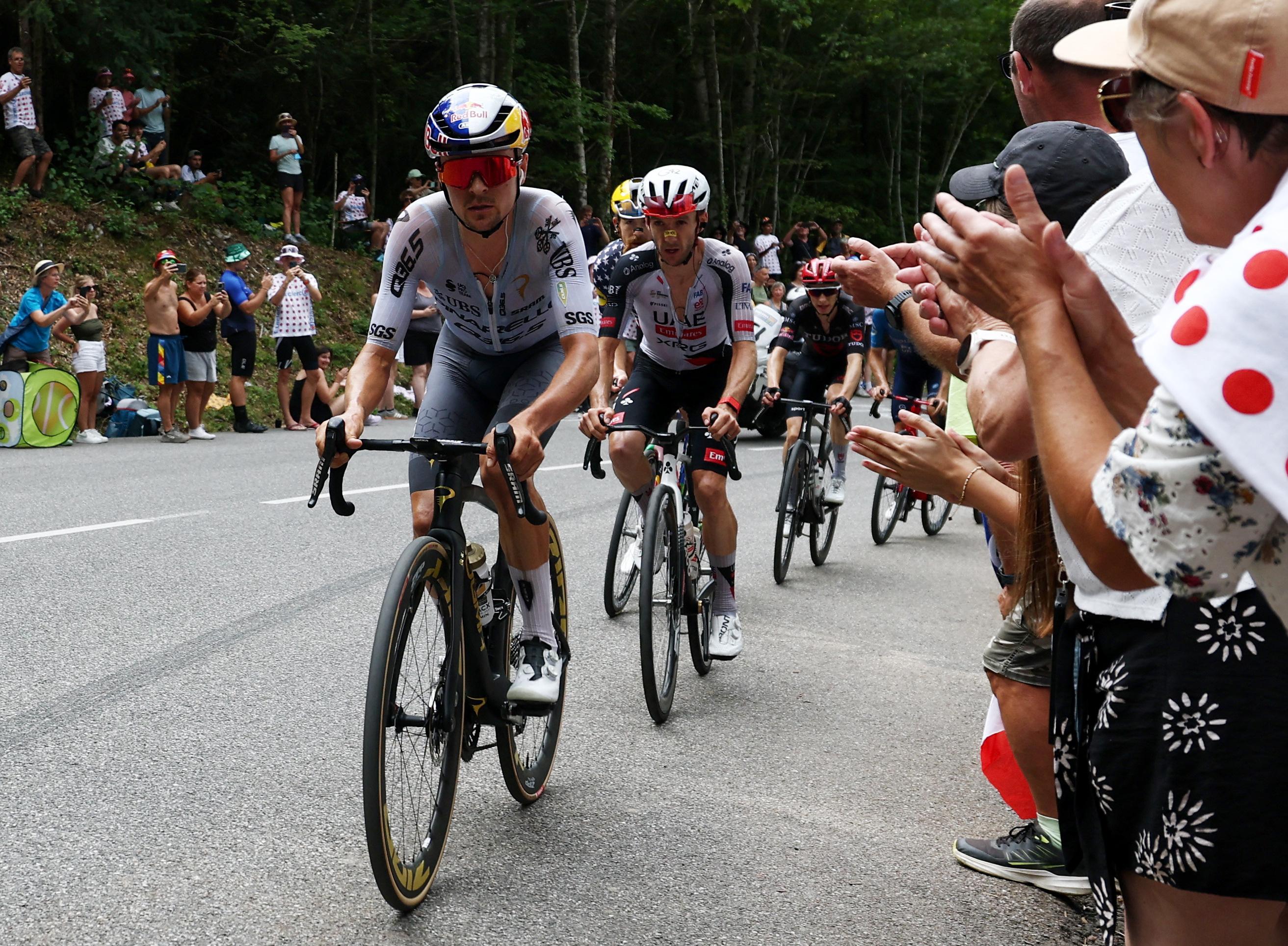
Doping controls conducted in the middle of the night have caused significant frustration among riders in the Tour de France. The controversial checks occurred just before a challenging mountain stage in the Alps, leading to widespread discontent within the peloton. Cyclists expressed their annoyance, with one anonymous rider drawing a parallel to waking up Lionel Messi before a World Cup final, highlighting the perceived disruption and potential impact on performance. The timing of these controls, particularly before a demanding stage, has been a major point of contention. This incident underscores the ongoing tension between anti-doping authorities and athletes regarding the methods and scheduling of testing. The controversy raises questions about the balance between ensuring fair play and respecting the athletes' need for rest and preparation.
The timing of anti-doping controls, especially late at night before critical race stages, presents a complex challenge for both regulatory bodies and athletes. While the imperative to prevent doping is paramount for maintaining the integrity of sport, the disruptive nature of such checks can impact athlete well-being and performance. This situation highlights a potential systemic friction point: the need for rigorous testing versus the physiological demands placed on elite competitors. Future approaches may benefit from exploring less intrusive testing windows or more predictable scheduling, while still ensuring comprehensive coverage. The long-term goal should be to optimize anti-doping strategies that are both effective in deterring illicit practices and respectful of the athletes' demanding professional environment, fostering a system that supports fair competition without undue physiological or psychological burden.
AI-generated to prompt reflection — not editorial opinion, not advice, not a statement of fact. How this works.