Tour de France: Mental Games and Team Dynamics in Tarragona
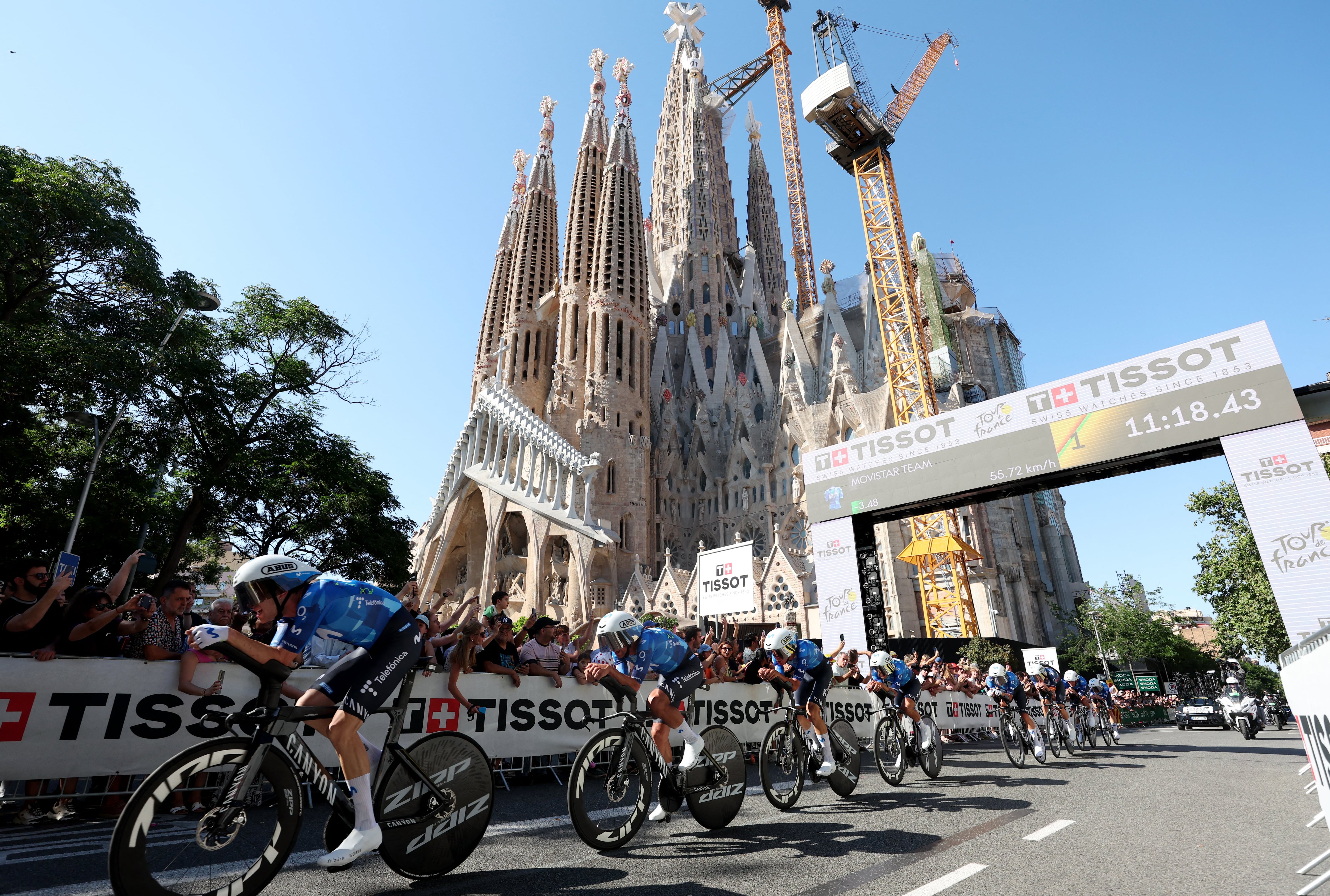
The Tour de France's departure from Tarragona is marked by intense mental games and deep team dynamics, as highlighted by observations surrounding rider Paul Seixas and the nocturnal psychoanalysis sessions within the Movistar team. The pressure of the Grand Tour often leads to intricate psychological strategies employed by riders and their support staff. These mental battles are as crucial to success as physical prowess. The Movistar team's approach, involving what is described as 'nocturnal psychoanalysis,' suggests a profound focus on the psychological well-being and performance optimization of their athletes. Such methods aim to address the immense stress and demands placed upon cyclists during a race of this magnitude. The environment surrounding a major cycling event like the Tour de France is a complex ecosystem where physical endurance, strategic planning, and mental fortitude are inextricably linked. The narrative around Paul Seixas indicates the intense scrutiny and speculation that can occur within the rider's immediate circle, reflecting the high stakes involved. Ultimately, the departure from Tarragona serves as a microcosm of the broader psychological challenges inherent in professional cycling.
The intense psychological focus surrounding the Tour de France departure in Tarragona underscores the evolving understanding of athletic performance, where mental resilience is increasingly recognized as a critical determinant of success. Teams are investing in sophisticated psychological support, moving beyond traditional training to address the cognitive and emotional demands of elite competition. This strategic emphasis on mental well-being, exemplified by the Movistar team's methods, reflects a broader trend in professional sports towards holistic athlete development. As the sport navigates the pressures of global competition and media scrutiny, such approaches may become standard, aiming to optimize not just physical output but also sustained mental capacity over extended, high-stress events. The integration of psychological insights into training and race strategy represents a significant shift, potentially influencing team structures and rider support systems in the coming decade.
AI-generated to prompt reflection — not editorial opinion, not advice, not a statement of fact. How this works.