Tour de France Nutritionist: The Era of Scrawny Cyclists is Over
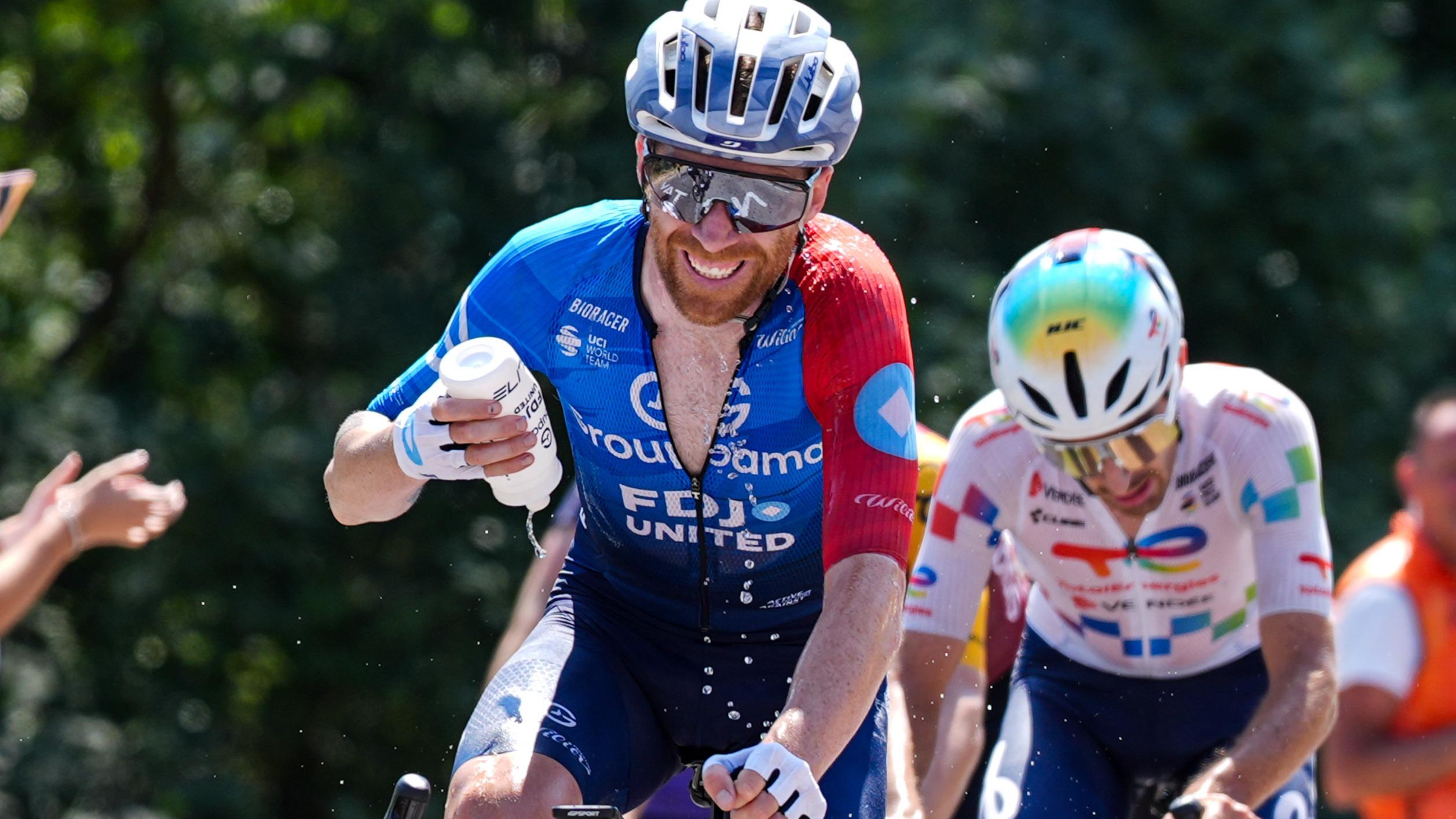
Lucas Papillon, the nutritionist for the Groupama-FDJ cycling team, has declared that the era of "scrawny runners" in the professional peloton is coming to an end. He explained that nutrition has become a critical performance lever in a sport where preparation is pushed to its absolute limits. This evolution in nutritional science has, in turn, led to changes in established cycling practices. Papillon's insights highlight a significant shift in how athletes approach their physical conditioning and dietary strategies. The focus is moving away from extreme leanness towards a more optimized and sustainable approach to fueling the body for peak performance. This change reflects the broader advancements in sports science and the understanding of human physiology. The Groupama-FDJ team, under Papillon's guidance, is likely adapting its training and diet plans to reflect these new understandings. The emphasis is on providing cyclists with the right nutrients at the right times to maximize endurance, recovery, and overall race effectiveness. This new philosophy aims to build stronger, more resilient athletes capable of withstanding the rigors of elite competition.
The statement by Lucas Papillon signifies a potential paradigm shift in professional cycling, moving from an emphasis on extreme leanness to a more holistic, performance-driven nutritional strategy. This evolution reflects a broader trend in sports science, recognizing that optimal athletic performance is not solely dependent on low body mass but on a complex interplay of muscle mass, energy availability, and recovery. As the sport pushes the boundaries of human endurance, understanding and leveraging advanced nutrition becomes paramount. This approach may mitigate long-term health risks associated with chronic underfueling and could lead to more sustainable careers for athletes. The focus on robust nutrition suggests a future where cycling performance is enhanced through scientific optimization rather than extreme physical restriction, potentially leading to a more resilient and powerful generation of athletes.
AI-generated to prompt reflection — not editorial opinion, not advice, not a statement of fact. How this works.