Tour de France Teams' Budgets: Money Rides to the Yellow Jersey
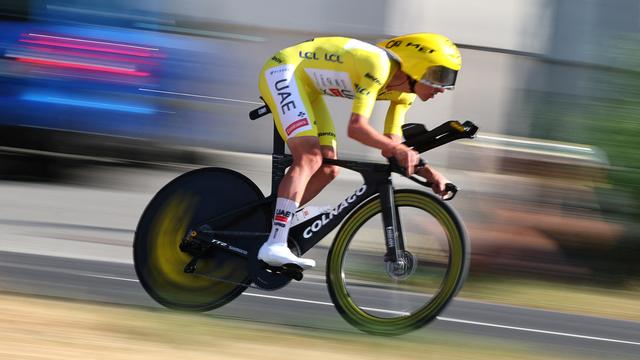
The Tour de France exhibits a clear two-tiered system, largely dictated by the financial capabilities of its participating teams. Only a select few teams can afford to sign and retain top-tier cyclists such as Tadej Pogačar, who are instrumental in competing for the coveted yellow jersey. These elite teams possess the financial resources to attract and pay for the highest caliber of talent in professional cycling. Consequently, the majority of teams operate with significantly smaller budgets, forcing them to set different objectives for the race. These teams often focus on stage wins, supporting a specific rider for a secondary classification, or developing emerging talent, rather than competing for the overall victory. This disparity in funding creates a competitive imbalance, where financial power directly influences the potential for success at the highest level of the sport.
The financial stratification within professional cycling, exemplified by the Tour de France, highlights the significant impact of capital on athletic performance and competitive outcomes. Teams with larger budgets can attract and retain premier talent, creating a self-reinforcing cycle of success. This economic disparity raises questions about the long-term sustainability of a truly meritocratic competition. As the sport evolves, particularly with increasing commercialization and potential for technological advancements, the gap between well-funded and less-funded entities may widen, necessitating a discussion on competitive balance and equitable opportunities within the professional peloton. Future considerations might involve exploring innovative revenue-sharing models or salary caps to foster a more diverse range of contenders.
AI-generated to prompt reflection — not editorial opinion, not advice, not a statement of fact. How this works.