Tourists Report Lack of Safety Briefing After Fatal Accident at Iguazu Falls
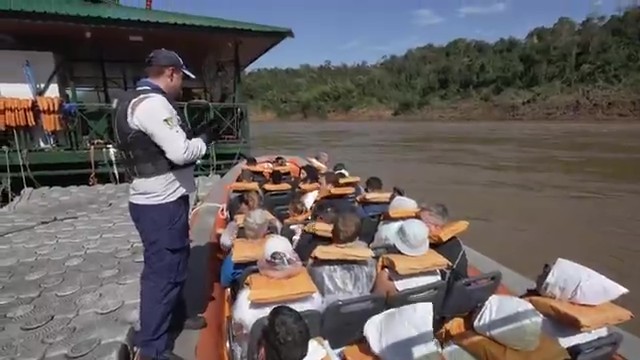
Survivors of a fatal boat accident at Iguazu Falls, which resulted in the death of 25-year-old Dutch tourist Mark Lessink, have told police they received no emergency instructions before their tour. The investigation, which is examining the circumstances of the boat capsizing on Tuesday, October 28, is also assessing the adequacy of the operating company's safety protocols. Survivors stated that while life vests were provided before boarding, there was no explanation on how to use them or what to do in case of a capsize. One survivor recounted, "We all ended up under the boat," and noted that the vests, which only fastened at the waist, tended to ride up, making it difficult to stay afloat in the strong currents of the Iguazu River. The family's lawyer corroborated this, stating the currents were powerful and the vests insufficient to keep them on the surface. Police have found no immediate irregularities with the two boat pilots but are investigating potential deficiencies in safety procedures and tourist orientations. The scientific police report concluded Lessink died of drowning, and authorities are now considering if management could be held responsible for negligent homicide. The company, however, denies any failures, stating that employees recently underwent safety procedure retraining. They claim their certifications indicate no need for protocol changes and that tourists receive multiple safety briefings in different languages and locations, including specific instructions about the vessel. The company also defended the life vest model, describing it as designed to keep a person's head above water even if unconscious.
This incident highlights a critical tension between operational efficiency and passenger safety in adventure tourism. The survivors' accounts suggest a potential gap in mandatory safety briefings, which, if proven, indicates a systemic failure in risk communication. While the company asserts adherence to established protocols and the efficacy of its equipment, the fatalities and near-fatalities underscore the importance of proactive, comprehensive emergency preparedness training for participants. Future considerations should include standardized, universally understood safety drills and equipment verification, especially in environments with inherent natural risks like strong currents. Examining the incentive structures for operators to prioritize thoroughness over speed in safety procedures will be key to preventing future tragedies.
AI-generated to prompt reflection — not editorial opinion, not advice, not a statement of fact. How this works.
