Toxic Car Emissions Found on Brisbane Balconies, Study Reveals
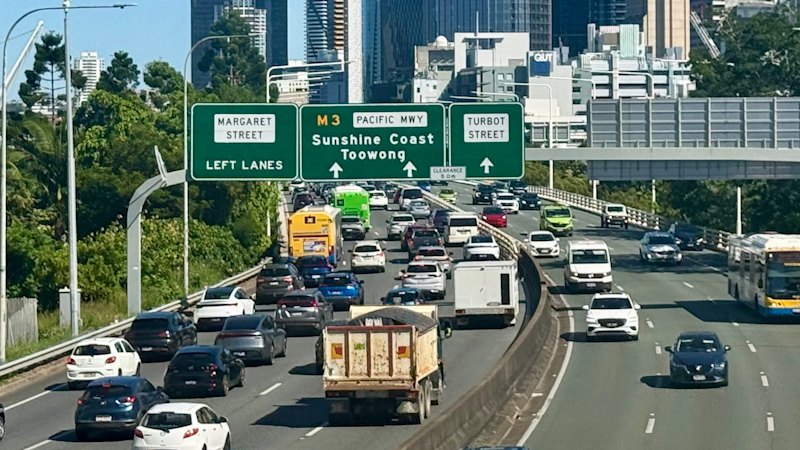
Researchers from the University of Queensland have discovered a chemical linked to fish deaths on nearly all of the balconies they tested in Brisbane. The study highlights a potential environmental concern stemming from vehicle emissions. The specific chemical identified has previously been associated with instances of fish mortality, raising questions about its broader ecological impact. This finding suggests that airborne pollutants from cars can travel significant distances and settle on residential areas, even on elevated surfaces like balconies. The research team conducted tests across multiple locations within Brisbane to assess the prevalence of this contaminant. The results indicate a widespread issue, with the chemical detected on almost every tested balcony. This discovery underscores the need for further investigation into the long-term health and environmental consequences of such widespread chemical deposition in urban settings. The study serves as a reminder of the pervasive nature of air pollution and its potential to affect everyday living spaces.
This study brings to light a concerning intersection of urban transportation and residential environmental quality. The presence of a chemical linked to aquatic life mortality on balconies suggests that vehicle emissions may have a more pervasive and direct impact on urban dwellers' immediate surroundings than previously understood. From a public health perspective, understanding the concentration and potential health effects of these settled airborne particles is crucial. Furthermore, the findings could inform urban planning and vehicle emission regulations, prompting consideration of how to mitigate the deposition of such compounds in densely populated areas. The long-term implications for both human health and urban ecosystems warrant further investigation into the pathways and cumulative effects of these persistent pollutants.
AI-generated to prompt reflection — not editorial opinion, not advice, not a statement of fact. How this works.