Toxic Foam Blankets Rio Tietê in Salto, São Paulo
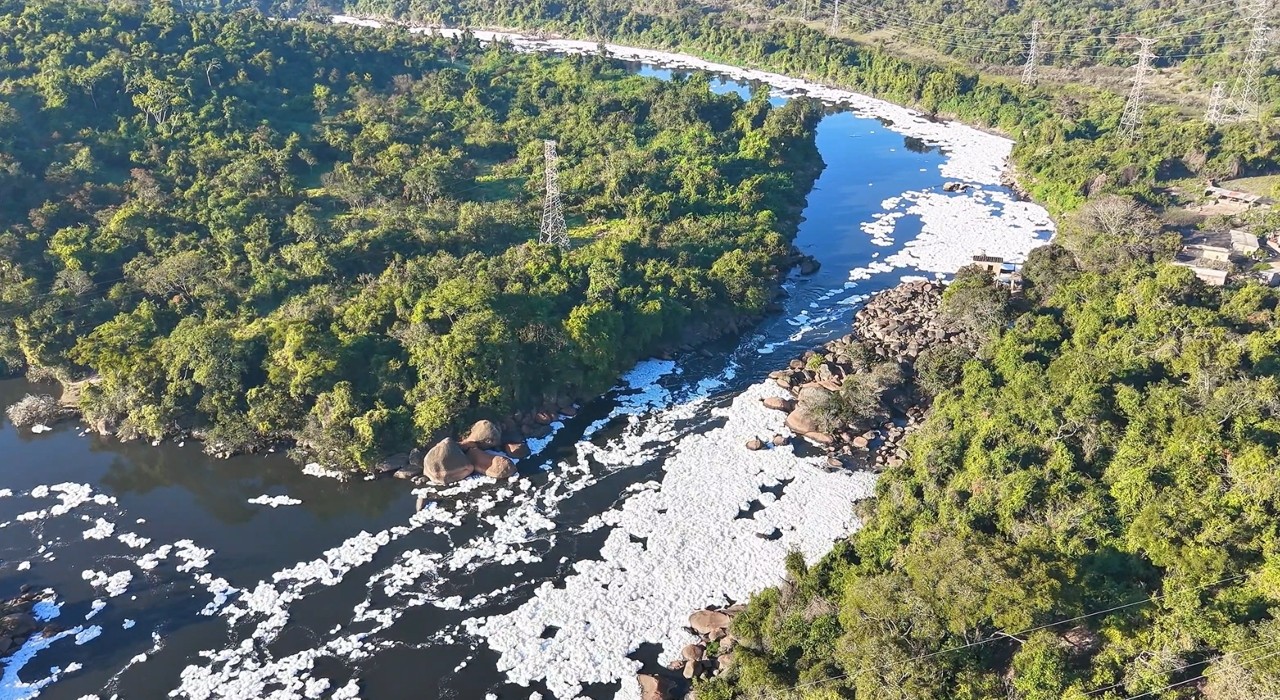
A section of the Rio Tietê in Salto, São Paulo, remains covered in toxic white foam, as evidenced by drone footage captured on Tuesday, February 28th. The river is experiencing low water levels, exposing numerous rocks. This foam phenomenon is attributed to pollution originating from the capital, exacerbated by a lack of rainfall. The environmental organization Fundação SOS Mata Atlântica reports that the Tietê river receives approximately 600 tons of waste and pollutants daily. Detergent residues and other untreated chemical products are agitated by the water's flow over the city's waterfalls, generating the extensive foam. The Salto City Hall acknowledges this recurring issue, stating that a definitive solution hinges on ending the discharge of untreated sewage from upstream municipalities. They emphasized that the phenomenon occurs annually and would cease only if Greater São Paulo cities halted their pollution. The São Paulo State Environmental Company (Cetesb) confirmed ongoing monitoring and inspections, conducting over 400 inspections in the area since March 2025. Despite the striking visual, which attracts some visitors to the Cachoeira Tourist Complex, the Civil Defense and City Hall have issued warnings about the foam's toxicity. Direct contact with skin and eyes can cause irritation, and the public, particularly tourists, is advised to maintain a safe distance.
The recurring toxic foam on the Rio Tietê highlights a persistent challenge in managing urban and industrial wastewater discharge. The visual impact of the foam, while alarming, serves as a stark indicator of systemic pollution control failures. Addressing this issue requires a multi-faceted approach, including enhanced enforcement of environmental regulations, significant investment in wastewater treatment infrastructure across the Greater São Paulo region, and potentially exploring innovative technologies for pollution mitigation. The long-term sustainability of the river's ecosystem and the health of surrounding communities depend on coordinated efforts to intercept pollutants before they reach natural waterways. Future solutions will likely involve a combination of technological advancements, stricter governance, and greater public accountability for industrial and municipal polluters.
AI-generated to prompt reflection — not editorial opinion, not advice, not a statement of fact. How this works.