Toxic Microalgae Behind SA Bloom Identified by Australian Study
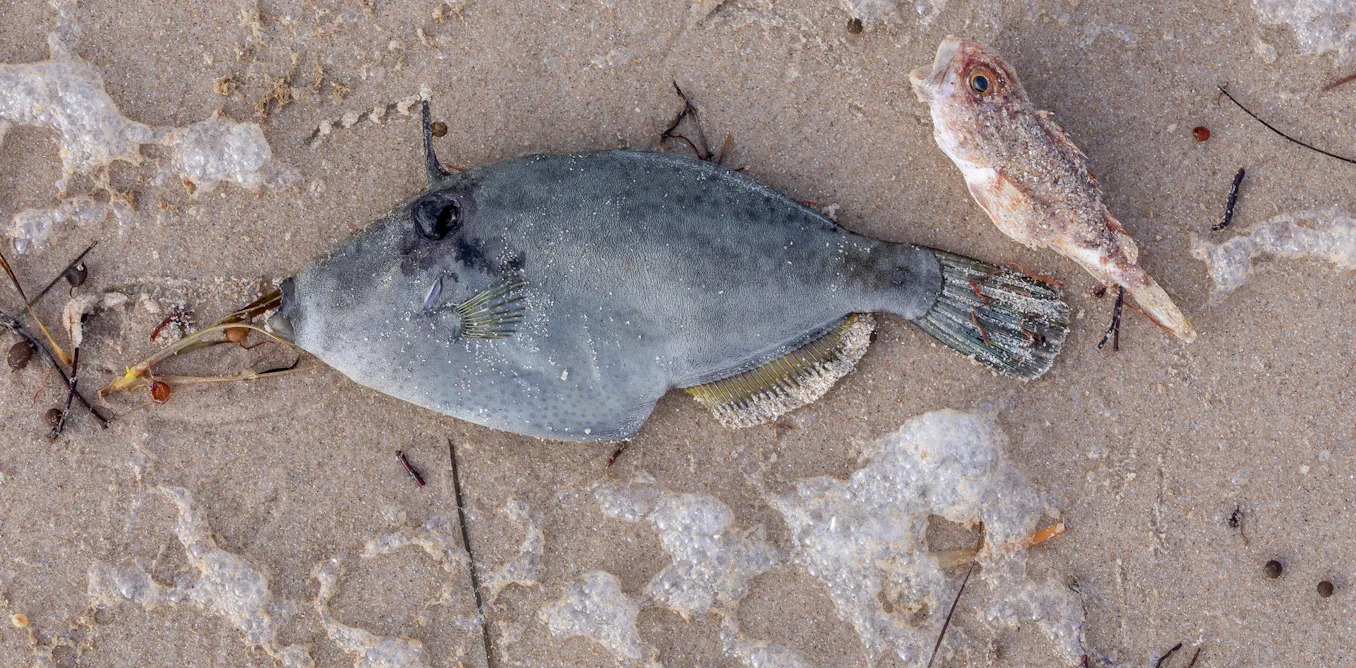
An Australian-led research initiative has investigated the microalgae responsible for a significant harmful algal bloom in South Australia. The study focused on identifying the specific characteristics that make the Karenia cristata species so exceptionally toxic. Researchers examined the biological and chemical properties of this particular microalgae to understand its potent effects. This bloom has raised concerns due to the potential dangers posed by such toxic marine organisms. The findings aim to shed light on the mechanisms driving the toxicity of Karenia cristata. Understanding these factors is crucial for developing effective monitoring and mitigation strategies for future algal blooms. The research contributes to a broader understanding of marine ecosystems and the threats they face. This study underscores the importance of continued scientific investigation into marine toxins.
This research addresses the identification of a highly toxic microalgae species, Karenia cristata, implicated in a South Australian bloom. The study's focus on the algae's inherent toxicity highlights a critical environmental challenge. Understanding the biological mechanisms behind such potent toxins is essential for public health and ecological safety. Future efforts may involve developing advanced detection systems and predictive models for algal blooms, considering the increasing pressures on marine environments from climate change and nutrient runoff. This scientific endeavor provides a foundation for informed policy and management decisions aimed at safeguarding coastal ecosystems and communities.
AI-generated to prompt reflection — not editorial opinion, not advice, not a statement of fact. How this works.