Toxics Expert: No Safe Exposure Limit for Thessaloniki Smog
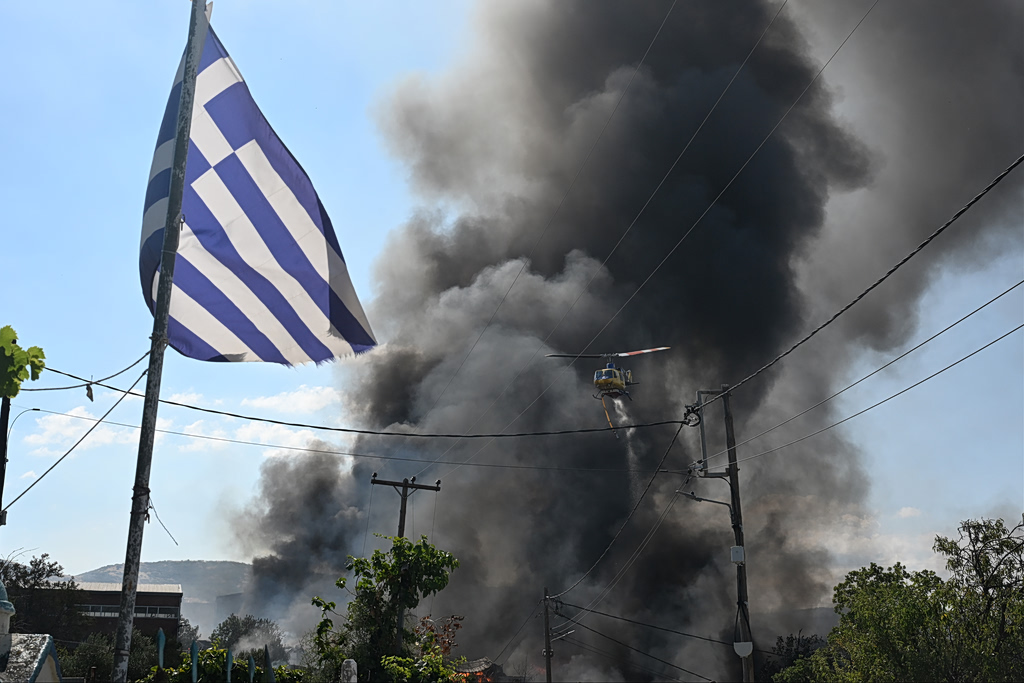
Professor of Environmental Engineering at the Aristotle University of Thessaloniki (AUTH) and President of the National Research Foundation, Dimitris Sarigiannis, has stated that there is no safe exposure limit for the toxic smog currently affecting Thessaloniki, Greece. He emphasized the severity of the situation, indicating that any level of exposure carries risks. Sarigiannis provided recommendations on precautionary measures individuals should take to protect themselves from the harmful effects of the pollution. The toxic cloud has raised significant public health concerns within the city. Authorities are monitoring the situation closely. Further details on the specific pollutants and their sources are being investigated. The long-term health implications of such prolonged exposure are a growing concern for residents and health officials alike. The professor's remarks highlight the urgent need for effective pollution control strategies in the region.
The pronouncements from Professor Sarigiannis underscore a critical public health challenge: the absence of a universally agreed-upon safe threshold for exposure to specific airborne toxins. This situation necessitates a proactive approach to environmental regulation and personal protective measures, especially in densely populated urban areas like Thessaloniki. The event highlights the ongoing tension between industrial activity, urban development, and environmental sustainability. Future policy considerations may need to focus on stricter emission controls, enhanced urban planning to mitigate pollution concentration, and more robust public health advisories that empower citizens with actionable information. The long-term implications of such environmental events on public health infrastructure and economic productivity warrant careful consideration in the coming decade.
AI-generated to prompt reflection — not editorial opinion, not advice, not a statement of fact. How this works.