Toyota, BMW Test Gasoline Cars Using Cooking Oil Fuel
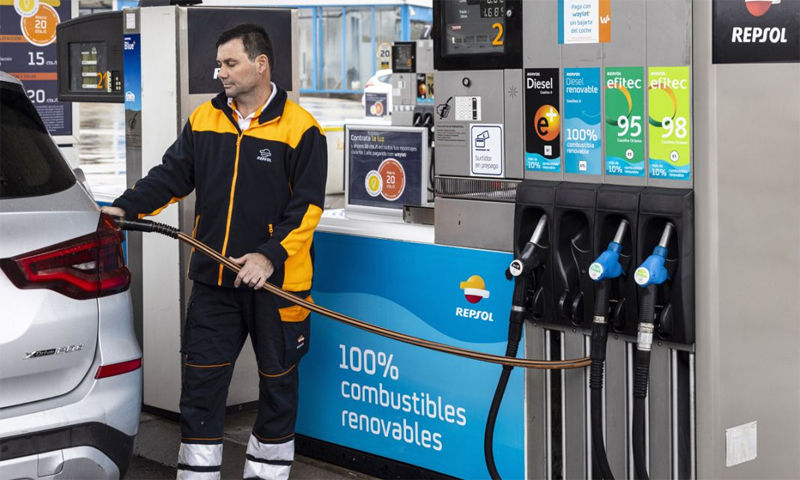
Automakers Toyota and BMW, in collaboration with Bosch, are conducting tests on renewable gasoline derived from used cooking oil. The primary goal of this initiative is to demonstrate that renewable fuels can immediately reduce emissions from existing vehicle fleets without requiring any hardware modifications. This approach aims to offer a near-term solution for lowering the carbon footprint of internal combustion engine vehicles. The project focuses on the potential of these alternative fuels to be a drop-in solution, meaning they can be used in current engines and infrastructure. By utilizing waste materials like used cooking oil, the initiative also addresses waste management and resource circularity. The companies are evaluating the performance and emissions impact of this renewable gasoline across various driving conditions. Successful implementation could provide a pathway for significant emission reductions in the automotive sector while the transition to electric vehicles progresses.
This initiative by Toyota, BMW, and Bosch explores a pragmatic approach to immediate emissions reduction within the existing automotive infrastructure. By leveraging renewable gasoline derived from waste cooking oil, the companies aim to mitigate the environmental impact of current internal combustion engine vehicles. This strategy offers a potential interim solution, complementing the long-term shift towards electrification. The focus on drop-in fuels highlights the challenge of balancing legacy systems with future sustainability goals. Evaluating the lifecycle emissions and scalability of such renewable fuels will be crucial for assessing their true environmental benefit and market viability.
AI-generated to prompt reflection — not editorial opinion, not advice, not a statement of fact. How this works.