Toyota RAV4 Chief Engineer Acknowledges Chinese Demand for Physical Buttons
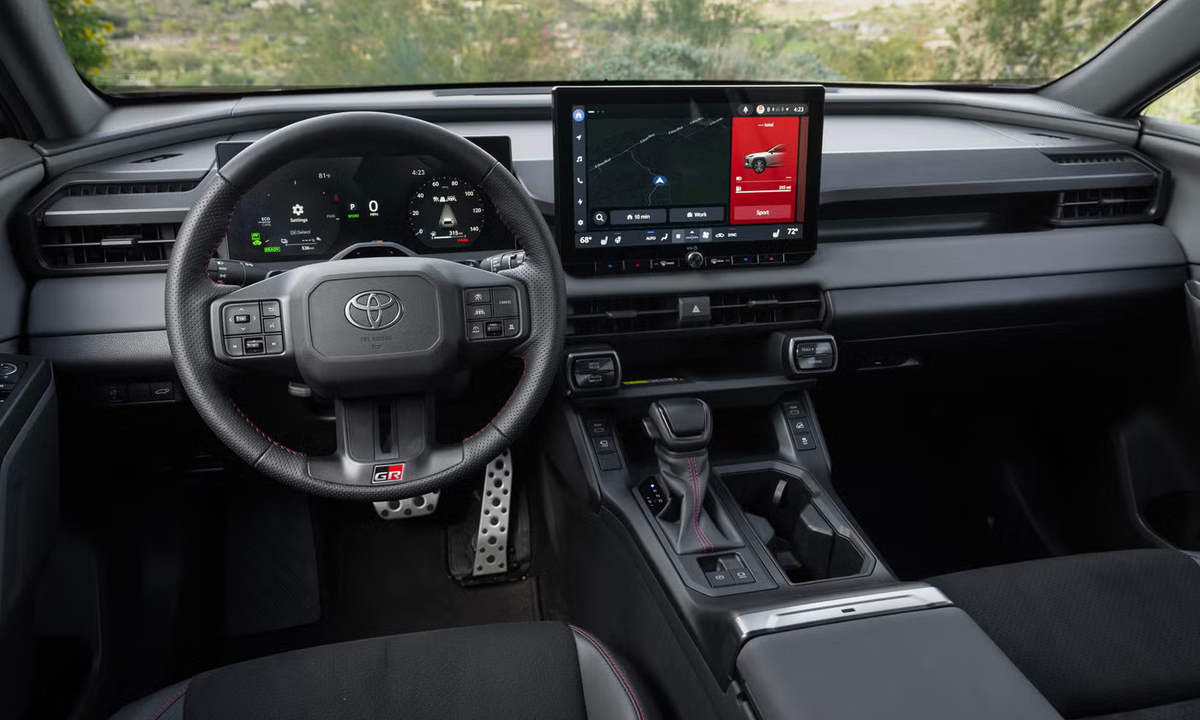
The chief engineer for the Toyota RAV4 has acknowledged that even Chinese consumers, who are known for their embrace of technology, are expressing a desire for the return of physical buttons in vehicles. This sentiment comes despite the general trend towards incorporating more digital interfaces and touchscreens in modern cars. The engineer's admission suggests a potential shift in design philosophy, where user preference for tactile controls is being recognized, even in a market that is often at the forefront of technological adoption. This feedback indicates that while advanced features are appreciated, the practicality and familiarity of physical buttons remain important for many drivers. The Toyota RAV4, a popular SUV model, is therefore being considered for design adjustments based on this evolving customer feedback. The recognition of this demand from the Chinese market could influence future vehicle development not only for Toyota but potentially for other automakers as well. It highlights a nuanced understanding of consumer needs, balancing innovation with established user interface preferences.
The automotive industry's rapid integration of digital interfaces reflects a broader technological push, yet consumer feedback, particularly from markets like China, suggests a potential disconnect between innovation and user experience. The acknowledgment of demand for physical buttons indicates that while advanced technology is valued, the practical and intuitive nature of tactile controls remains a significant factor in vehicle design. This situation presents a strategic challenge for automakers: balancing the pursuit of cutting-edge digital integration with the enduring appeal of established user interfaces to ensure broad market satisfaction. Future vehicle development will likely need to navigate this tension, potentially leading to hybrid control systems that offer the best of both digital and physical interaction paradigms, catering to diverse user preferences and driving contexts.
AI-generated to prompt reflection — not editorial opinion, not advice, not a statement of fact. How this works.