TP-Link Routers: What FCC Scrutiny Means for Consumers
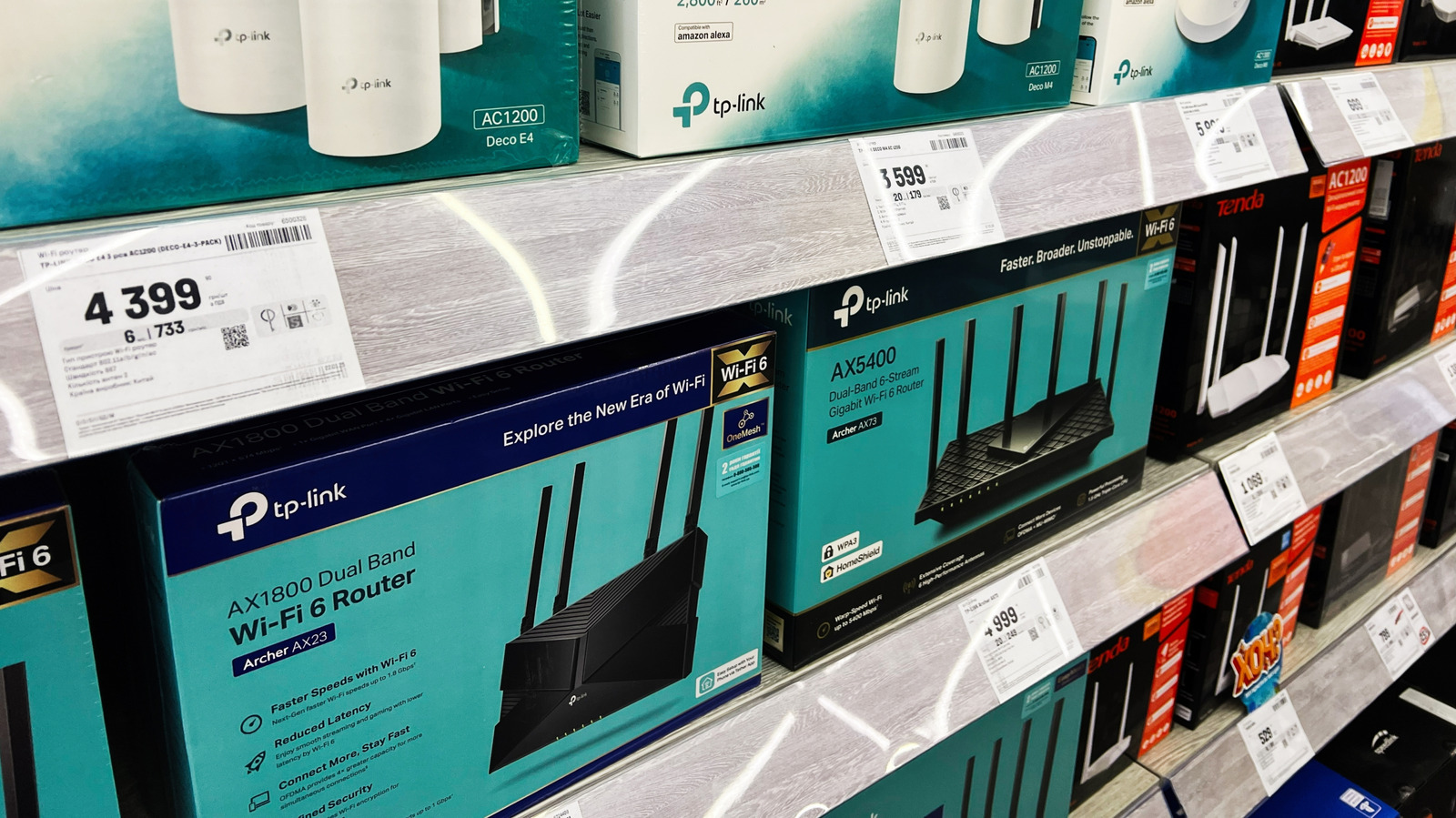
Consumers may want to reconsider purchasing TP-Link routers due to recent scrutiny from the U.S. Federal Communications Commission (FCC). The FCC has identified potential security vulnerabilities and compliance issues associated with some TP-Link devices. This situation raises questions about the overall security and reliability of these networking products. The FCC's involvement suggests that the devices may not be meeting the required standards for consumer electronics in the United States. While the specific details of the vulnerabilities are not fully disclosed, the FCC's action indicates a serious concern. This could impact the privacy and security of users' home networks. Customers who already own TP-Link routers might want to stay informed about any potential firmware updates or advisories from the company. The FCC's investigation highlights the importance of regulatory oversight in ensuring the safety of connected devices. It also underscores the need for manufacturers to prioritize robust security measures in their product development. Users should be aware of these developments when making purchasing decisions for home networking equipment.
The FCC's scrutiny of TP-Link routers, irrespective of specific technical findings, highlights a critical tension between rapid product deployment and rigorous security validation in the consumer electronics market. As the Internet of Things expands, regulatory bodies face increasing pressure to ensure devices meet baseline security and privacy standards. This situation presents a challenge for manufacturers balancing innovation with compliance, potentially impacting market access and consumer trust. For consumers, this underscores the growing importance of understanding the security implications of network hardware, moving beyond mere functionality and price to consider the underlying regulatory and security posture of the brands they choose.
AI-generated to prompt reflection — not editorial opinion, not advice, not a statement of fact. How this works.