TPS Expiration Leaves Haitian Migrant Health Workers in Limbo in the US
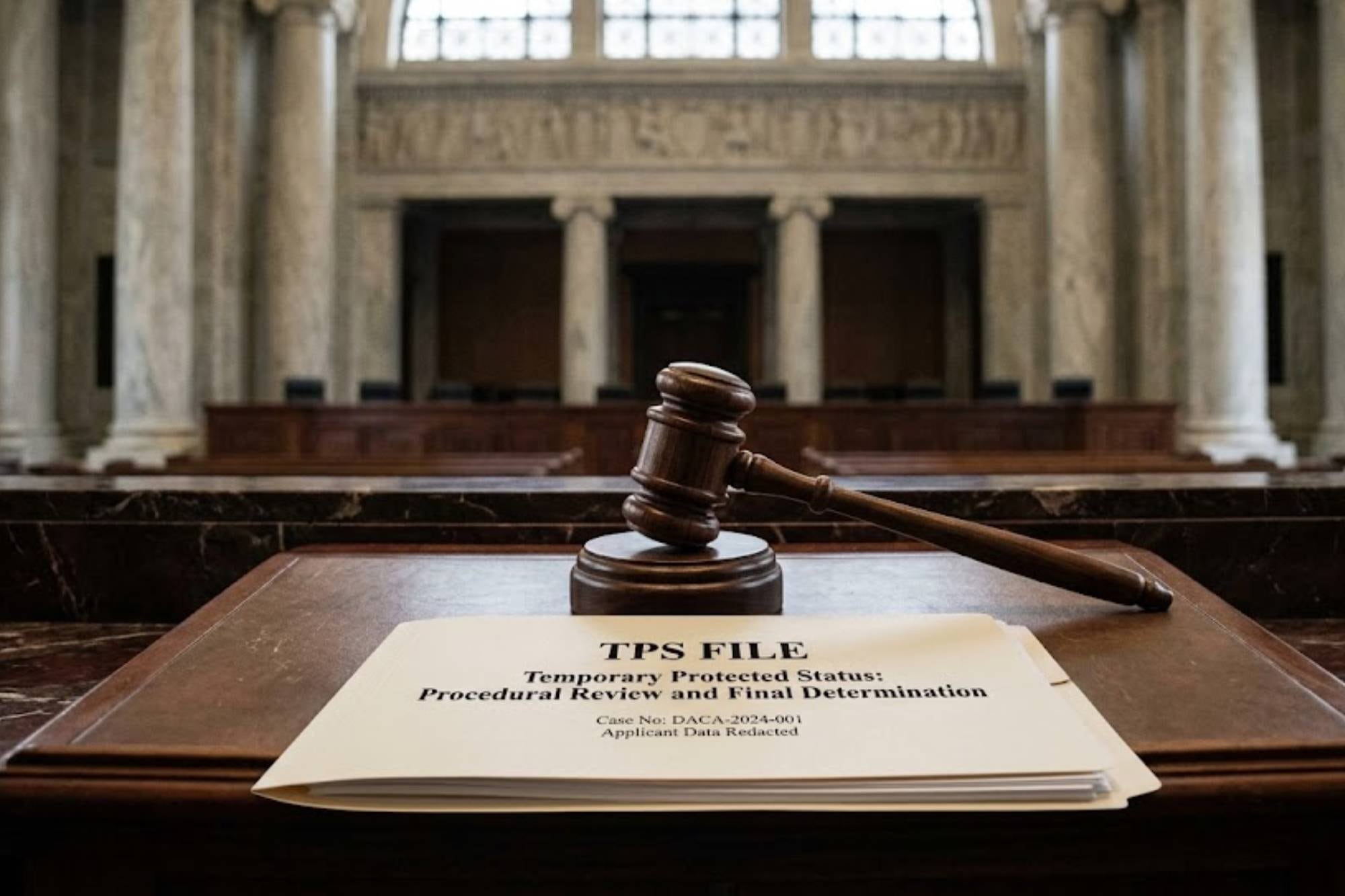
The expiration of Temporary Protected Status (TPS) for Haitians is creating significant uncertainty for thousands of migrants in the United States, including essential workers in the healthcare sector. Many of these individuals are employed in hospitals and nursing homes, contributing vital services to communities across the country. The loss of TPS status means they are at risk of deportation, despite their established lives and contributions in the U.S.
One migrant described the situation as feeling like a "prisoner," highlighting the emotional and psychological toll of living with the constant threat of removal. This precarious situation affects not only the individuals themselves but also the healthcare facilities that rely on their labor. The uncertainty surrounding their legal status could lead to staffing shortages in critical care settings, potentially impacting patient care.
The expiration of TPS for Haitian nationals presents a complex challenge at the intersection of immigration policy, labor needs, and public health infrastructure. The reliance of U.S. healthcare facilities on TPS holders underscores systemic vulnerabilities in workforce planning and the potential consequences of sudden policy shifts on essential services. This situation prompts consideration of long-term immigration reforms that balance humanitarian concerns with the nation's economic and social dependencies. Evaluating the incentive structures for both migrants and employers, as well as the administrative processes for status adjustments, could offer pathways to greater stability and predictability for all stakeholders involved.
AI-generated to prompt reflection — not editorial opinion, not advice, not a statement of fact. How this works.